Overview of Hip Osteoarthritis
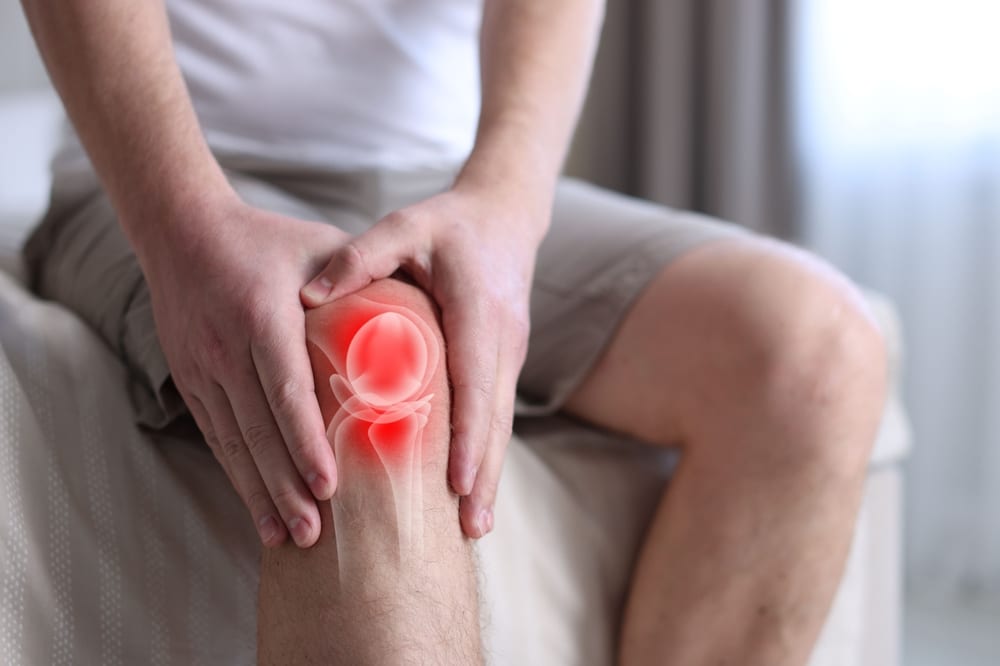
Hip osteoarthritis (OA) is a degenerative joint disease that affects the hip joint, leading to pain, stiffness, and reduced mobility.
Your hip joint consists of a ball at the top of the thigh bone, which fits into a socket in your pelvis.
The ends of both bones in a joint are covered by a smooth slippery surface, known as cartilage. This is the soft but tough tissue that allows the bones to move against each other without friction.
Everyone’s joints go through a normal cycle of wear and repair during their lifetime. As your joints repair themselves, their shape and structure can gradually change. OA of the hip involves progressive wearing away over time of the smooth, white joint surface cartilage within the joint. This cartilage becomes thinner and the surface of the joint becomes rougher.
As one of the most common forms of arthritis, understanding the causes, symptoms, and treatment options for hip osteoarthritis is crucial for managing the condition effectively and improving the quality of life.
Causes of Hip OA
The exact cause of hip osteoarthritis is not always clear, but several factors can contribute to its development:
- Age: The risk of hip OA increases with age as the cartilage naturally undergoes wear and tear over time.
- Gender: Women are more likely to develop hip osteoarthritis compared to men.
- Genetics: Family history may play a role in the development of hip OA, suggesting a genetic predisposition.
- Hip Injuries: Previous hip injuries or trauma can increase the likelihood of developing osteoarthritis.
- Obesity: Excess weight places additional stress on the hip joint, accelerating the breakdown of cartilage.
Symptoms
The symptoms of hip osteoarthritis can vary in severity and may include:
- Pain: Persistent pain in the hip joint, particularly during movement or weight-bearing activities.
- Stiffness: Difficulty moving the hip, especially after periods of rest or inactivity.
- Limited Range of Motion: It may become challenging to move the hip through its full range of motion.
- Grating Sensation: A feeling of grinding or grating within the hip joint during movement.
- Joint Instability: The hip may feel unstable or give out during certain activities.
Treatment Options
The treatment of hip osteoarthritis aims to alleviate pain, improve joint function, and slow down the progression of the disease.
Treatment options include:
- Lifestyle Modifications: Weight management, regular low-impact exercise, and avoiding activities that exacerbate hip pain.
- Physiotherapy: Specific exercises to strengthen the muscles around the hip joint, improve flexibility, and enhance joint stability.
- Pain Management: Over-the-counter pain relievers, such as acetaminophen or nonsteroidal anti-inflammatory drugs (NSAIDs), can help manage pain.
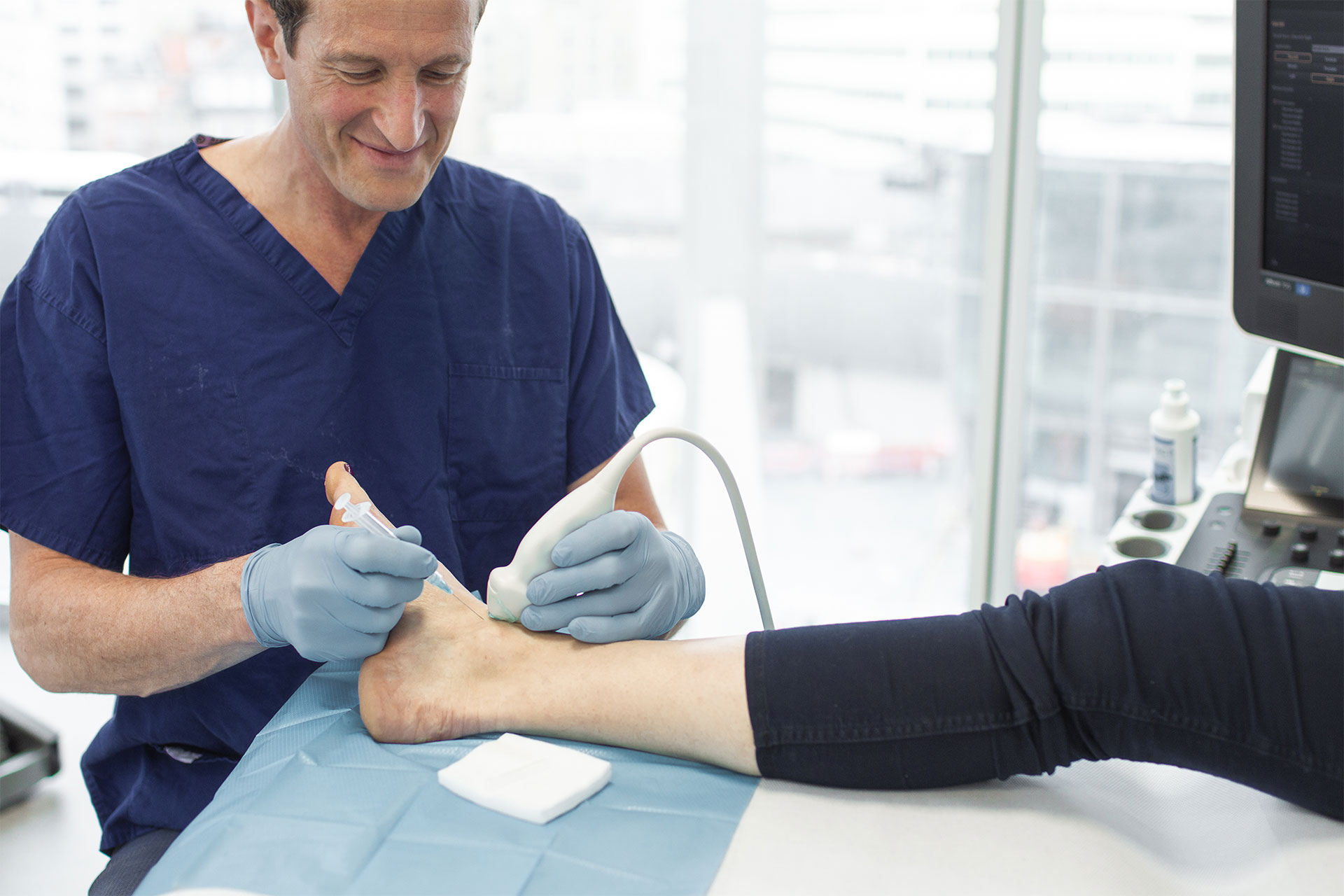
- Corticosteroid Injections: These can provide temporary relief by reducing inflammation in the hip joint.
- Assistive Devices: Using canes or walkers to reduce pressure on the hip joint during walking.
Surgical Options and Outcomes
When conservative treatments fail to provide adequate relief, surgical options may be considered:
- Hip Arthroscopy: A minimally invasive procedure where the surgeon examines and treats the hip joint using small incisions and a camera. It is most suitable for mild to moderate cases but may not be effective for advanced hip osteoarthritis.
Hip Resurfacing: Involves reshaping the damaged surface of the hip joint and capping it with metal prosthesis. Suitable for younger patients with healthy bone quality.
- Partial Hip Replacement (Hemiarthroplasty): Replaces only the damaged part of the hip joint with an artificial component, preserving the healthy part.
- Total Hip Replacement (THR): The damaged hip joint is entirely replaced with artificial components. THR is the most effective option for severe hip osteoarthritis, providing significant pain relief and improved function.
Q & As
Can hip osteoarthritis be prevented?
While some risk factors like age and genetics cannot be changed, maintaining a healthy weight, engaging in low-impact exercises, and protecting the hip joint from injuries may help reduce the risk of developing hip osteoarthritis.
Is physical therapy essential for managing hip osteoarthritis?
Yes, physical therapy is an essential component of hip osteoarthritis management. It helps improve joint strength, flexibility, and stability, alleviating pain and enhancing mobility.
How long does it take to recover from total hip replacement surgery?
The recovery time after total hip replacement surgery can vary, but patients typically stay in the hospital for a few days and may require several weeks of physical therapy and rehabilitation before returning to normal activities.
Can I still participate in sports after hip osteoarthritis diagnosis?
Depending on the severity of the condition and your doctor’s recommendations, some low-impact sports or exercises may still be possible. However, high-impact activities that put significant stress on the hip joint should be avoided.
What are the potential complications of hip replacement surgery?
While hip replacement surgery is generally safe, potential complications can include infection, blood clots, implant loosening, dislocation, or nerve or blood vessel damage. Your surgeon will discuss these risks with you before the procedure.