020 3576 5296
Mon-Fri: 9am-5pm
(New enquiries only)
HCA UK Outpatients & Diagnostics The Shard, 32 St Thomas Street, London SE1 9BS
Click to call for new patient enquiry If you are an existing patient please call the consultant directly. You can find their direct number on their consultants page.
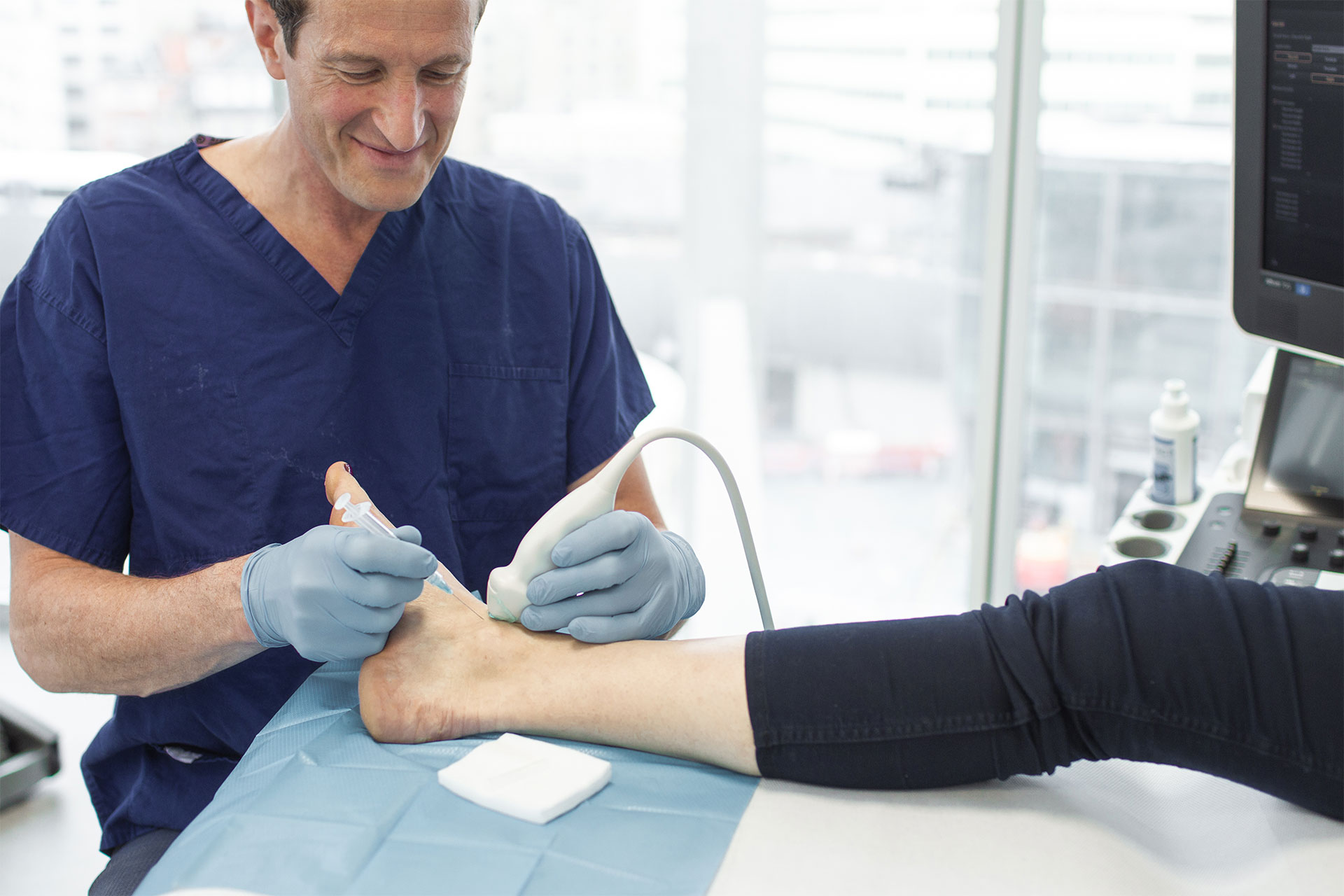
At London Bridge Orthopaedics, we can provide rapid diagnosis, specialist consulting and treatment in one location. All outpatient consultations are held within HCA at the Shard, 31 Old Broad St, Canary Wharf, or London Bridge Hospital’s Outpatients Department.
Upon arrival, we will ask you to fill out a registration form and confirm your personal details. (Please allow 10 minutes to do this.)
You will then see your Consultant to discuss your condition, clinical diagnosis and any tests and treatments that they recommend.
Depending on which body part is injured, it is advisable that you wear shorts or loose clothing, so that your consultant can carry our a full and thorough clinical examination.
Please do not hesitate to ask your Consultant any medical questions you may have about your condition.
Feel free to ask your Consultant or their secretary any questions you may have about arranging further appointments, imaging or general hospital services.

We are a group of established consultants who care about our patients. We cover all the subspecialty areas of orthopaedics:
Meet the team at London Bridge Orthopaedics.
Consultants at London Bridge Orthopaedics provide service for patients with our without private medical insurance.

Understanding Dupuytren’s Disease
Dupuytren’s disease, also known as Dupuytren’s contracture, is a progressive condition that affects the connective tissue in the palm of the hand. This disorder leads to the formation of thickened, scar-like tissue beneath the skin, causing the fingers to bend inward towards the palm, resulting in difficulty straightening them. In this blog, we will explore the anatomy, causes, symptoms and management options for Dupuytren’s disease and contracture.
Read more
“Frozen Shoulder” in the Cold Months – Myth or Medicine?
As temperatures drop and winter sets in, many patients tell me their shoulder stiffness and pain feels worse. It’s a common belief, and understandably, some assume this is where the term “frozen shoulder” comes from.
Read more