020 3576 5296
Mon-Fri: 9am-5pm
(New enquiries only)
HCA UK Outpatients & Diagnostics The Shard, 32 St Thomas Street, London SE1 9BS
Click to call for new patient enquiry If you are an existing patient please call the consultant directly. You can find their direct number on their consultants page.
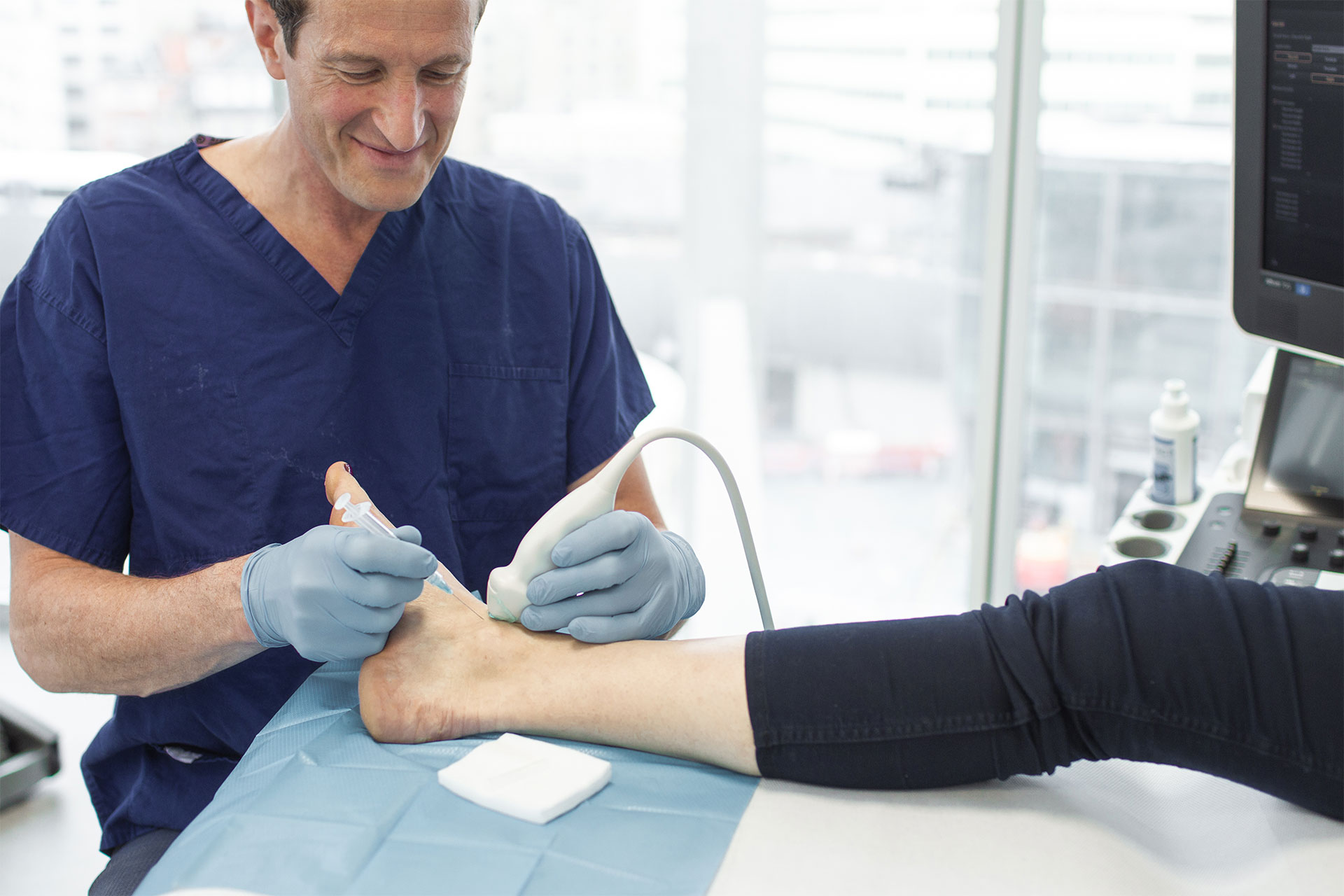
When you arrive for day-surgery or hospital-based surgery, please come to the main entrance at London Bridge Hospital and see the receptionist. A member of the admissions team will then show you to your room, where a nurse will help you settle in. After taking essential medical information, he or she will help to answer any further questions you may have about your procedure.
If you are diabetic or have any other pre-existing conditions, you may need to discuss this with a member of our medical team before your arrival. London Bridge Orthopaedics has a team of specialist registrars and nurses in the clinic 24-hours a day, who are in close contact with your Consultant at all times. Therefore, we can quickly review any key issues or queries with him or her before your procedure.
We are a group of established consultants who care about our patients. We cover all the subspecialty areas of orthopaedics:
Meet the team at London Bridge Orthopaedics.
Consultants at London Bridge Orthopaedics provide service for patients with our without private medical insurance.

The Tennis Serve – Why Your Shoulder Is the Unsung Hero of An Ace!
The tennis serve is one of the most explosive movements in all of sport — the shoulder rotates internally at speeds approaching 2,500 degrees per second, generating power from a joint barely the size of a golf ball. Mr Simon Owen-Johnstone, Consultant Shoulder & Elbow Surgeon, explains why your shoulder is built for mobility over stability, why serve-related pain is rarely the shoulder’s fault, and how small changes could transform both your game and your long-term shoulder health.
Read more
Padel, Tennis and Gym Training – Why Wrist Injuries Are on the Rise
Wrist pain from padel, tennis and gym training is becoming increasingly common. As more people take up racket sports, strength training and high-intensity fitness, hand and wrist specialists are seeing a growing number of patients with overuse injuries, tendon problems and acute trauma.
Read more