Home | Blog | Labral Tears – Why Young Active Adults Get Hip Pain Without Arthritis
Labral Tears – Why Young Active Adults Get Hip Pain Without Arthritis
Labral Tears – Why Young Active Adults Get Hip Pain Without Arthritis
Hip pain isn’t just something that crops up later in life.
More and more, we’re seeing young, active people – runners, footballers, dancers, and gym-goers – walk (hobble) into clinic with hip pain that doesn’t quite add up.
They’re too young for arthritis, their X-rays often look fine, yet the hip still clicks, catches, or aches.
One common culprit? A labral tear.
At London Bridge Orthopaedics (LBO), our hip specialists regularly diagnose and treat labral injuries in athletes and active adults. The good news: with the right approach, most patients get back to the activities they love.
Let’s take a closer look at what labral tears are, how they happen, and what can be done about them.
The Labrum – A Small but Mighty Structure
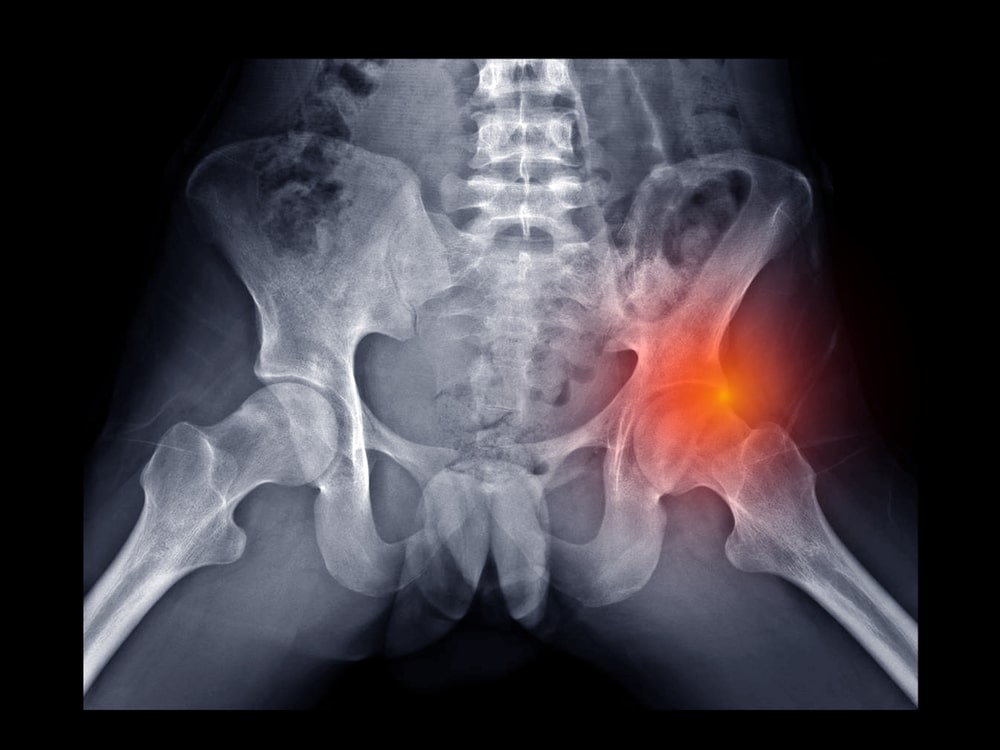
Think of your hip joint as a ball-and-socket. The ball is the head of your femur (thigh bone), and the socket is part of your pelvis (the acetabulum). Around the rim of that socket is a ring of cartilage called the labrum.
The labrum acts like a suction seal:
It helps keep the ball snug in the socket.
It improves stability during movement.
It absorbs shock and reduces stress on the joint cartilage.
It’s only a few millimetres thick, but it plays a vital role in keeping the hip moving smoothly. When the labrum tears, the joint loses some of that stability, and that’s when pain and symptoms begin.
Why Do Labral Tears Happen in Young Adults?
You don’t have to be a seasoned marathoner to end up with a labral tear. Even casual gym-goers can be affected. Here are some of the most common reasons:
1. Repetitive Sports Movements
Sports that involve twisting, pivoting, and sudden changes of direction put a lot of strain on the hip joint. Footballers and dancers are particularly at risk because of the rotational forces involved. Runners, too, can develop tears simply from repetitive load over time.
2. Hip Impingement (FAI)
Often, labral tears don’t happen in isolation. Some people are simply more prone because of the way their hips are shaped.
Femoroacetabular impingement (FAI) – where the ball and socket don’t quite fit together perfectly – can cause the bones to pinch the labrum. This can either be because the socket is misshaped or the femoral head, or both.
Over months or years, this leads to wear and tear, and eventually, a tear.
3. Trauma or Injury
A fall, a sudden tackle in football, or an awkward landing from a jump can directly tear the labrum.
What Does a Labral Tear Feel Like?
The symptoms can be sneaky. Some people feel a sharp pain in the groin, while others just notice a nagging ache after sport. Common signs include:
Pain in the front of the hip or groin (sometimes the buttock or thigh).
Clicking, catching or locking when you move the hip.
Stiffness or loss of range of motion.
Discomfort with sitting for long periods or with deep squats.
Many patients describe it as – “My hip just doesn’t feel right.”
Diagnosing a Labral Tear
At LBO, our hip specialists use:
Careful history and physical examination (specific tests can reproduce symptoms).
MRI arthrogram – an MRI scan with contrast dye injected into the joint gives the clearest view of the labrum itself.
X-ray – to review the shape of the femoral head and acetabulum, and to rule out other potential causes, such as OA or fractures.
Ultrasound – sometimes useful to rule out other causes like tendon or bursitis issues.
Getting an accurate diagnosis is key. Without it, athletes may waste months treating the wrong problem.
First-Line Treatments – Conservative Approaches
Not every labral tear needs surgery. In fact, most patients start with conservative management, which often makes a big difference. In nearly all cases, this should be the first line of treatment.
Physiotherapy: Strengthening the glutes, core, and pelvic stabilisers helps offload the hip joint. Restoring balance between muscles can reduce pain dramatically.
Activity modification: Reducing deep flexion movements (like deep squats or sitting cross-legged) can ease symptoms.
Anti-inflammatory measures: Simple strategies like rest, ice, or occasional medication.
Injections: Cortisone or biologic injections (such as PRP) can reduce inflammation and pain, giving patients a window to progress with rehab.
Many athletes improve enough with these steps to return to their sport without surgery.
When Surgery Becomes the Right Option
If conservative treatment doesn’t do the trick – particularly for those with mechanical impingement – then hip arthroscopy (keyhole surgery) is often considered.
During hip arthroscopy, surgeons can:
Repair or trim the torn labrum.
Reshape bone there is a bony abnormality contributing to the problem.
Smooth the joint surfaces to prevent further damage.
It’s minimally invasive, recovery is often quicker than traditional open surgery, and outcomes are generally very good, especially in young, motivated athletes.
Preventing Labral Tears
While not every labral tear can be prevented, there are definitely steps to reduce risk:
Strengthen beyond the bike or pitch: Add cross-training to build glute, core, and hip stability.
Work on mobility: Flexible hips move better and reduce stress on the labrum.
Listen to early warning signs: Clicking hips, groin pain, or loss of range of motion should never be ignored.
Don’t skip recovery: Adequate rest, stretching, and balanced training loads protect your joints.
When to See a Hip Specialist
If you’re a young, active person experiencing persistent hip or groin pain, it’s worth getting checked. See a specialist if you notice:
Ongoing clicking or catching in the hip.
Pain that interferes with sport or daily activities.
Loss of flexibility or range of motion.
Symptoms that don’t improve after 4–6 weeks of rest or physio.
The Bottom Line
Hip pain in young athletes isn’t always “just a strain”.
Labral tears are increasingly recognised as a key reason why otherwise healthy adults experience persistent hip symptoms, often without a trace of arthritis.
At London Bridge Orthopaedics, our hip specialists are highly experienced in diagnosing and treating labral tears. Whether it’s through physiotherapy, injections, or minimally invasive arthroscopic surgery, we work with patients to get them back to running, dancing, football, or simply enjoying a pain-free life.
So, if your hip keeps clicking or catching and won’t settle, don’t brush it off. It might just be your labrum waving a red flag.
Our specialties
We cover all the subspecialty areas of orthopaedics
Our consultant knee surgeon, Mr Dominic Spicer, discusses swollen knees after injury and why a correct early diagnosis is important. When the first ski injury of the Northern Hemisphere season presented to us in mid-October, it looked like a bumper ... Read more