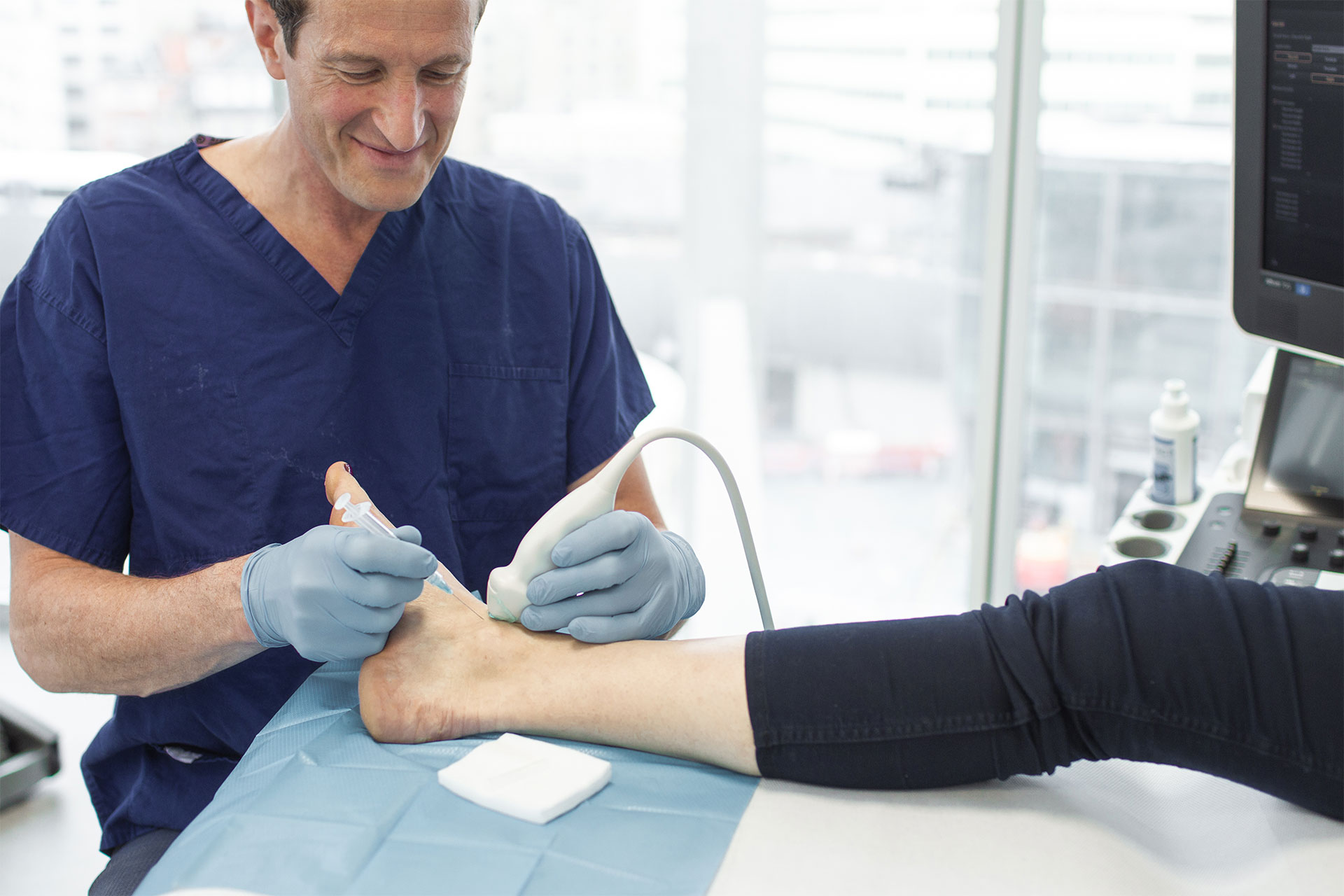
What Are Diabetic Foot Problems?
Diabetic foot problems refer to a range of conditions affecting the feet in people with diabetes. These can include nerve damage, poor circulation, foot deformities, ulcers and, in more severe cases, infection.
Over time, diabetes can affect both the nerves and blood supply to the feet. This can reduce sensation and slow healing, meaning even minor injuries can develop into more serious problems if not identified early.
From an orthopaedic perspective, structural changes in the foot and ankle, such as deformity or joint damage, can increase pressure in certain areas of the foot, raising the risk of skin breakdown and ulceration.
Early recognition and specialist care are essential to prevent complications and maintain mobility.
Key Learning Points
- Diabetes can affect the feet by reducing sensation and slowing healing
- Early detection and regular foot checks are essential
- Foot deformities increase the risk of ulcers and complications
- Most problems can be managed with preventative and conservative care
- Complex cases may require specialised surgery to preserve the foot
- A multidisciplinary team approach provides the best outcomes
Why Does Diabetes Affect the Feet?
There are two main reasons:
Nerve damage (peripheral neuropathy)
This can reduce feeling in the feet, meaning injuries or pressure points may go unnoticed.
Reduced blood flow (peripheral vascular disease)
This can slow healing and increase the risk of infection.
Together, these factors make the foot more vulnerable to injury and delayed recovery.
Types of Diabetic Foot Problems
Diabetic foot problems can present in several ways.
Neuropathy (Loss of Sensation)
peripheral neuropathy caused by diabetes, known as Diabetic Peripheral Neuropathy (DPN), significantly affects the myelin sheath, which is the protective, fatty covering of nerve fibers.
Damage to the nerves can lead to:
- Numbness or tingling in the feet or lower leg.
- Reduced ability to feel pain or temperature in the foot and lower leg.
- Increased risk of unnoticed injury – cuts, blisters or ulcers on the feet and ankles.
Foot Ulcers
Ulcers are open wounds that often develop on pressure points such as the sole of the foot.
They can occur due to:
- Repetitive pressure
- Poorly fitting footwear
- Minor trauma that goes unnoticed
Infection
If a wound becomes infected, it can spread quickly, particularly if not treated early.
Charcot Foot
Charcot foot is a serious condition where the bones and joints of the foot weaken and collapse due to nerve damage.
This can lead to:
- Significant deformity
- Changes in foot shape
- Increased risk of ulceration
Foot Deformities
Changes in foot structure, including claw toes or prominent joints, can increase pressure areas and lead to skin breakdown.
Who Is at Risk?
Diabetic foot problems can affect anyone with diabetes, but the risk increases with:
- Long-standing diabetes
- Poorly controlled blood sugar levels
- Previous foot ulcers or infections
- Reduced sensation in the feet
- Poor circulation
- Foot deformities
Regular foot checks are essential for early detection.
Symptoms to Look Out For
Some symptoms may be subtle, particularly if sensation is reduced.
Watch for:
- Numbness or tingling in the feet
- Changes in skin colour or temperature
- Swelling in the foot or ankle
- Pain (although this may be absent in some cases)
- Cuts, blisters or sores that do not heal
- Redness or discharge from a wound
- Changes in foot shape
Any new or concerning symptoms should be assessed promptly.
Aggravating Factors
Certain factors can increase the risk of complications:
- Poorly fitting footwear
- Walking barefoot
- High levels of activity without appropriate foot support
- Delayed treatment of minor injuries
- Poor diabetes control
Managing these factors is key to prevention.
Assessment
A thorough assessment is essential and often involves a multidisciplinary team (MDT).
At London Bridge Orthopaedics, assessment may include:
- Detailed medical and diabetes history
- Examination of skin, circulation and sensation
- Assessment of foot shape and pressure areas
- Evaluation of walking pattern and biomechanics
- Review of footwear
Early identification of risk factors allows for timely intervention.
Diagnosis
Diagnosis is usually based on clinical examination, but investigations may include:
- X-rays to assess bone structure and detect deformity or Charcot changes
- MRI scans to identify infection or early bone involvement
- Vascular studies to assess blood flow
These tests help guide treatment and monitor progression.
Conditions With Similar Symptoms (Differential Diagnosis)
Some conditions may overlap with or mimic diabetic foot problems:
- Peripheral vascular disease without diabetes
- Nerve compression syndromes
- Stress fractures
- Inflammatory arthritis
- Soft tissue infections
A specialist assessment ensures accurate diagnosis and management.
The Multidisciplinary Team (MDT)
Effective management of diabetic foot problems requires a coordinated team approach.
This often includes:
- Orthopaedic foot and ankle surgeons
- Diabetologists
- Podiatrists
- Specialist nurses
- Vascular surgeons
- Infectious disease specialists
- Physiotherapists
At London Bridge Orthopaedics, care is delivered in collaboration with leading specialists.
Mr Venu Kavarthapu, an internationally recognised expert in diabetic foot reconstruction, plays a key role in advancing surgical techniques and education in this field.
This team approach ensures that all aspects of care, from prevention to complex reconstruction, are managed effectively.
Non-Surgical (Conservative) Treatment
Early and preventative care is essential in managing diabetic foot problems.
Conservative treatment may include:
- Regular podiatry care
Routine foot checks and treatment of calluses or nail problems.
- Pressure offloading
Special footwear or insoles to reduce pressure on vulnerable areas.
- Wound care
Specialist dressings and monitoring for ulcers.
- Blood sugar control
Optimising diabetes management to support healing.
- Education
Helping patients understand how to care for their feet and recognise early warning signs.
These measures can prevent complications and reduce the need for surgery.
When Is Surgery Considered?
Surgery may be required in more complex or advanced cases.
This includes:
- Non-healing or deep ulcers
- Significant foot deformity
- Charcot foot with instability
- Bone infection (osteomyelitis)
- Recurrent ulceration due to abnormal pressure
The aim of surgery is to preserve the foot, restore function and prevent further complications.
Surgical Treatment Options
Surgical management is highly specialised and tailored to each patient.
Debridement and Infection Control
Removal of infected or non-viable tissue is often the first step in managing severe infections.
Reconstruction and Realignment
In cases of deformity, surgery may be performed to:
- Correct foot alignment
- Reduce pressure points
- Prevent recurrent ulcers
This may involve osteotomies (bone cuts) or joint procedures.
Charcot Foot Reconstruction
Complex reconstruction may be required to stabilise the foot and prevent collapse.
These procedures aim to:
- Restore a stable, plantigrade (flat) foot
- Reduce the risk of ulceration
- Improve mobility
This is a highly specialised area where experienced surgeons are essential.
Limb Salvage Surgery
In advanced cases, surgery focuses on preserving as much function as possible and avoiding amputation. Modern techniques have significantly improved outcomes in this area.
Recovery After Treatment
Recovery depends on the severity of the condition and the treatment required.
It may involve:
- Periods of reduced weight bearing
- Use of protective footwear or casts
- Ongoing wound care
- Regular follow-up with the MDT
- Rehabilitation and physiotherapy
Close monitoring is essential to ensure safe healing.
Outcomes
With early diagnosis and appropriate management, many diabetic foot problems can be successfully treated or prevented.
Patients can expect:
- Reduced risk of complications
- Improved foot stability and function
- Healing of ulcers
- Prevention of recurrence
Specialist care and a multidisciplinary approach are key to achieving the best outcomes.
Frequently Asked Questions
Why are foot problems common in diabetes?
Diabetes can damage nerves and reduce blood flow, making the feet more vulnerable to injury and slower to heal.
How can I prevent diabetic foot problems?
Regular foot checks, good footwear, proper diabetes control and early treatment of any issues are key to prevention.
When should I seek medical advice?
You should seek advice if you notice any cuts, ulcers, swelling, redness or changes in your feet, especially if they do not heal quickly.
Do all diabetic foot problems require surgery?
No. Many problems can be managed with conservative care. Surgery is usually reserved for more complex or severe cases.
Can serious complications be avoided?
Yes. With early diagnosis, regular monitoring and specialist care, most serious complications can be prevented.