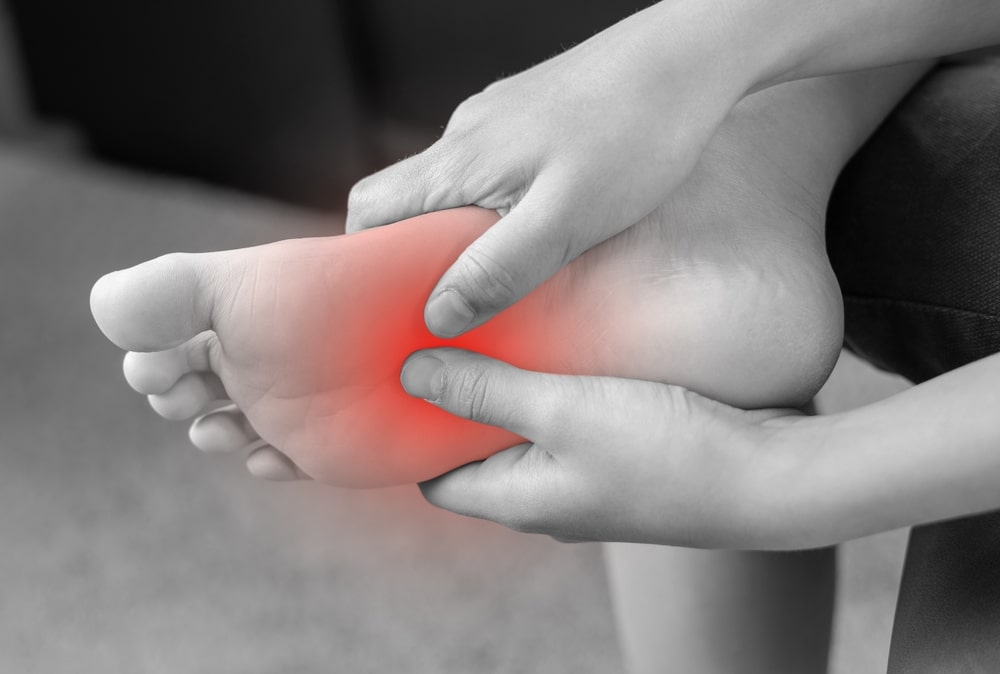
Morton’s neuroma is a painful condition affecting the ball of the foot, usually between the third and fourth toes. It occurs when a digital nerve in your foot becomes irritated or thickened, often as a result of repetitive compression or friction.
People with Morton’s neuroma frequently describe a burning, sharp, or tingling pain in the forefoot, sometimes accompanied by numbness or a sensation of walking on a small stone. This can affect walking, running, and even standing for prolonged periods, significantly reducing quality of life.
At London Bridge Orthopaedics, we provide specialist assessment and personalised treatment, including conservative measures and surgical options, to relieve pain and restore foot function.
Who is affected by Morton’s Neuroma?
Morton’s neuroma most commonly occurs in adults aged 40–60, though it can affect younger people who place repetitive stress on the forefoot.
Risk factors include:
Footwear – tight, narrow, or high-heeled shoes can compress the forefoot
Foot structure – flat feet, high arches, or bunions can increase pressure on the nerves
Activities – runners, dancers, or those who perform high-impact sports
Repetitive trauma – occupations or hobbies involving prolonged standing or walking
Women are affected more often than men, likely due to footwear and foot structure differences.
Symptoms of Morton’s Neuroma
Symptoms of Morton’s neuroma may develop gradually or appear suddenly after increased activity or footwear changes.
Common features that people present with include:
Burning pain in the ball of the foot, often radiating into the toes
Tingling or numbness between the affected toes
Feeling of walking on a pebble or fold in the sock
Pain worsened by tight shoes or prolonged walking
Temporary relief when barefoot or massaging the foot
Left untreated, the condition may progressively limit activity and cause chronic discomfort.
Assessment and diagnosis
Diagnosis begins with a detailed history and clinical examination:
Palpation – tenderness is usually present between the affected metatarsals
Reproduction tests – squeezing the forefoot may elicit symptoms (Mulder’s click)
Gait assessment – to identify biomechanical contributions
Imaging can help confirm the diagnosis and exclude other causes of forefoot pain:
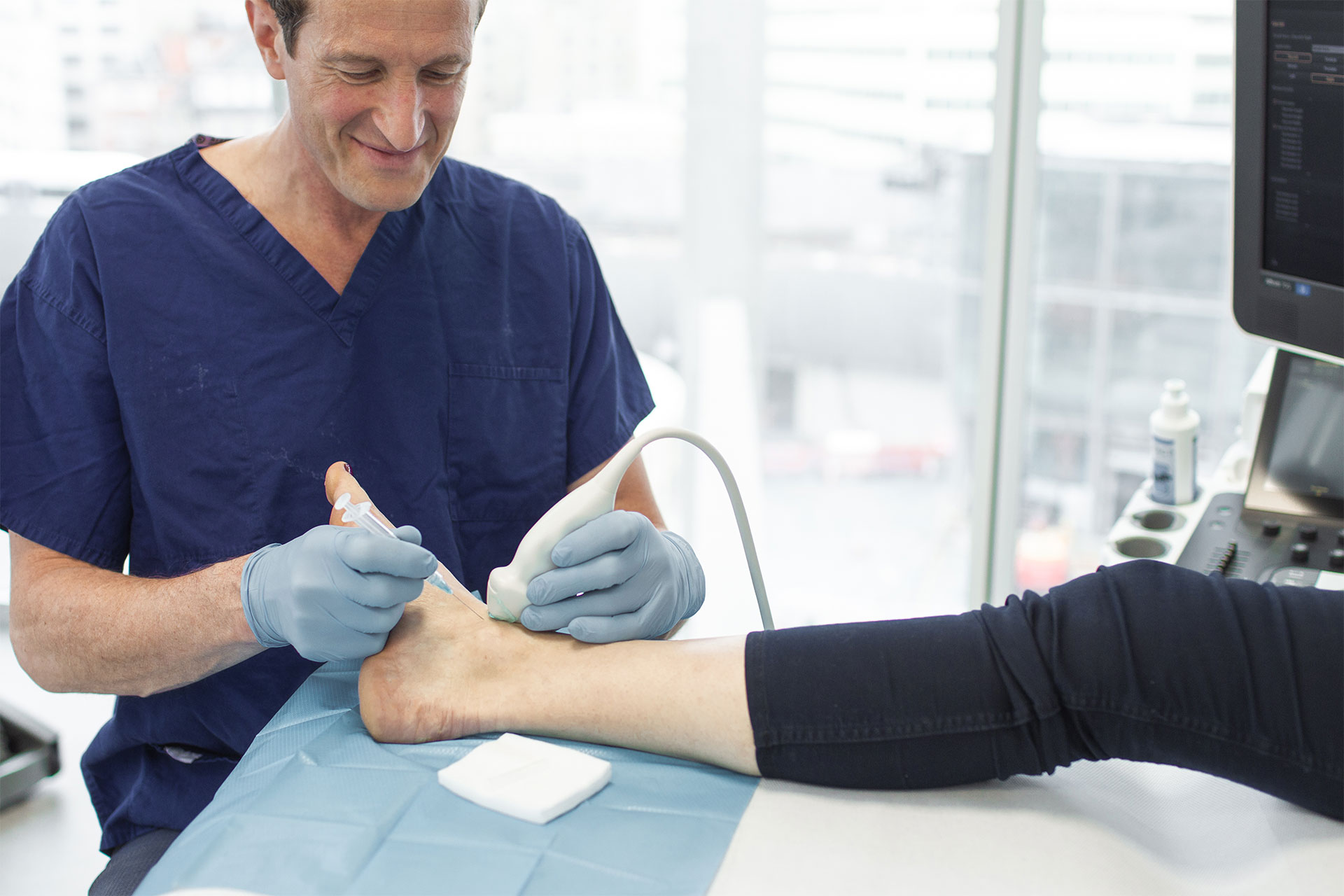
Ultrasound – detects thickening of the digital nerve and associated changes
MRI – may be used in complex or unclear cases to visualise soft tissue and rule out alternative pathology
Accurate assessment ensures treatment is targeted to the specific nerve and foot anatomy.
Aggravating factors
Symptoms are often triggered or worsened by:
High-heeled or narrow shoes
Running or high-impact exercise
Prolonged standing or walking
Foot deformities such as bunions or hammer toes
Recognising these triggers is essential for effective conservative management and post-surgical rehabilitation.
Conservative management
Many patients experience relief without surgery. Initial treatments focus on reducing nerve irritation and mechanical stress:
Footwear modification – wider, supportive shoes with a low heel
Orthotics – metatarsal pads or insoles to redistribute pressure
Corticosteroid injections – targeted around the neuroma to reduce inflammation and pain
Conservative strategies are usually tried for several months before surgery is considered.
Studies show that these measures can provide lasting relief in a significant proportion of patients, particularly when combined with correct footwear and activity adjustment.
Surgical treatment
Surgery is considered when conservative management fails or symptoms persist for several months, limiting walking, standing, or recreational activity. The goal of surgery is to remove the affected nerve segment, permanently relieving pain while accepting a small area of permanent numbness between the toes.
What the procedure involves
Day-case operation – performed under regional or general anaesthetic
Incision placement – either on the top (dorsal) or bottom (plantar) of the foot, depending on neuroma location and surgeon preference
Excision of the neuroma – the thickened portion of the digital nerve is carefully removed
Tissue preservation surrounding nerves, tendons, and blood vessels are protected
The operation typically lasts 30 – 45 minutes and patients can usually go home the same day.
Post-operative recovery
Protected weight-bearing – in a post-operative shoe for 2 – 3 weeks
Swelling and discomfort – expected for several weeks; elevation and ice help manage symptoms
Gradual return to normal footwear – usually within 4 – 6 weeks
Return to high-impact activities – often after 6 – 8 weeks depending on comfort and healing
Recovery is progressive, and most patients regain normal walking patterns with long-term relief from pain.
Outcomes and prognosis
Surgical excision of Morton’s neuroma is highly effective. Clinical studies report:
Long-term pain relief in 75 – 90% of patients
Permanent numbness between the affected toes is typical but rarely problematic
High patient satisfaction due to restored comfort and mobility
While surgery does not prevent the development of neuromas elsewhere, careful assessment, footwear adjustment, and post-operative management minimise future risk.
When to seek specialist advice
It is important to consult a specialist if:
Forefoot pain persists despite shoe changes, orthotics, or injections
Pain interferes with walking, work, or recreational activity
You notice tingling, numbness, or a “stone-like” sensation in the toes
Symptoms recur or progressively worsen
Early assessment allows targeted treatment and can prevent chronic forefoot dysfunction.
FAQs – Morton’s Neuroma
Can Morton’s neuroma heal without surgery? Yes, many patients respond well to conservative treatments such as footwear changes, orthotics, and injections, especially if the neuroma is detected early.
When is surgery recommended? Surgery is considered when conservative management fails, symptoms persist for several months, or daily life is significantly affected.
Is the surgery painful? The operation is performed under anaesthetic. Some post-operative discomfort and swelling are expected but manageable with simple analgesia.
Will I have numbness after surgery? Yes, a small area of permanent numbness between the toes is normal but is generally well tolerated.
How soon can I walk normally after surgery? Most patients walk immediately in a post-operative shoe. Normal footwear is usually resumed at 4 – 6 weeks, with a gradual return to high-impact activity thereafter.
Can the neuroma come back after surgery? Recurrence is uncommon when surgery is performed correctly and conservative measures are continued as appropriate.
Been told you have a meniscus tear or ‘wear and tear’ on your MRI? Find out what these terms really mean, why MRI findings don’t always explain your pain, and why your symptoms matter just as much as your scan.
Persistent lateral elbow pain is not always tennis elbow. A clinical guide to differential diagnosis, examination, red flags, imaging and when to refer.