What is Hip Dysplasia?
Hip dysplasia, also known as developmental dysplasia of the hip (DDH), is a condition where the hip joint does not develop properly. This can result in a misalignment between the femoral head (the ball) and the acetabulum (the socket), leading to joint instability, pain, and increased wear over time. Hip dysplasia can be present from birth or develop later in life, often contributing to arthritis if untreated.
Anatomy of the Hip Joint
The hip is a ball-and-socket joint composed of the following key components:
- Femoral Head: The ball-shaped upper part of the femur (thigh bone) that fits into the socket.
- Acetabulum: A cup-shaped part of the pelvis that forms the socket of the hip joint.
- Labrum: A ring of cartilage surrounding the acetabulum, providing stability and cushioning.
- Ligaments and Muscles: Structures that stabilize and support hip movement.
In a healthy hip, the femoral head fits snugly and moves smoothly within the acetabulum. In cases of dysplasia, this fit is disrupted, compromising joint stability and function.
Causes of Hip Dysplasia
The causes of hip dysplasia can be multifactorial and include:
- Genetics: Family history of hip dysplasia increases the likelihood of occurrence.
- Birth Position: Breech deliveries are associated with a higher risk.
- Hormonal Factors: Pregnancy hormones can cause ligament laxity, which may affect the baby’s hip development.
- Environmental Factors: Infant swaddling that keeps the legs straight may increase the risk.
Symptoms of Hip Dysplasia
The severity of symptoms can vary depending on the extent of the dysplasia. Common signs and symptoms include:
Symptoms in Infants and Young Children:
Infants and Young Children
- Leg length discrepancy
- Reduced range of motion in the affected hip
- Audible clicking or popping sounds from the hip
- Difficulty crawling or standing
- Favoring one leg over the other while moving
Older Children and Adults
- Hip pain, often felt in the groin area
- Difficulty with weight-bearing activities – running, jumping, going up stairs
- A sensation of hip instability – muscle weakness
- Limping or gait abnormalities
- Early onset arthritis or joint stiffness
- Hip clicking with certain movements
Diagnosis of Hip Dysplasia
Accurate diagnosis involves a combination of clinical assessment and imaging techniques.
Clinical Examination of the Hip
Your hip specialist will carry out a through examination of your hip. This is likely to include the following:
- Observation for leg length differences and gait abnormalities
- Hip Joint Range of movement
- Hip strength and stability
- Palpation and manipulation of the hip joint
- Specific tests such as Barlow and Ortolani maneuvers (in infants) to assess joint stability
Imaging
- Diagnostic imaging for hip dysplasia will depend slightly depending on the age of the patient and the severity of the condition.
- Ultrasound: This is sometimes the preferred imaging technique for infants if they are under 6 months old.
- X-rays: These are useful for children above the age of 4 months and for adults to assess the alignment and shape of the hip bones.
- MRI/CT scans: These are occasionally used if a more detailed evaluation is required.
Treatment Options for Hip Dysplasia
Treatment will depend on the patient’s age, severity of the condition, and associated symptoms.
Non-Surgical Options
- Bracing: In infants, conservative management is the primary treatment option. Devices such as the Pavlik harness are used to reposition the femoral head.
- Physiotherapy: Strengthening the muscles around the hip will improve stability. This will likely be required with any age group, but will be especially important in older children and adults. Strengthening the muscles around the hip will improve stability.
- Pain Management: Depending on the patient’s age, anti-inflammatory medications and activity modification
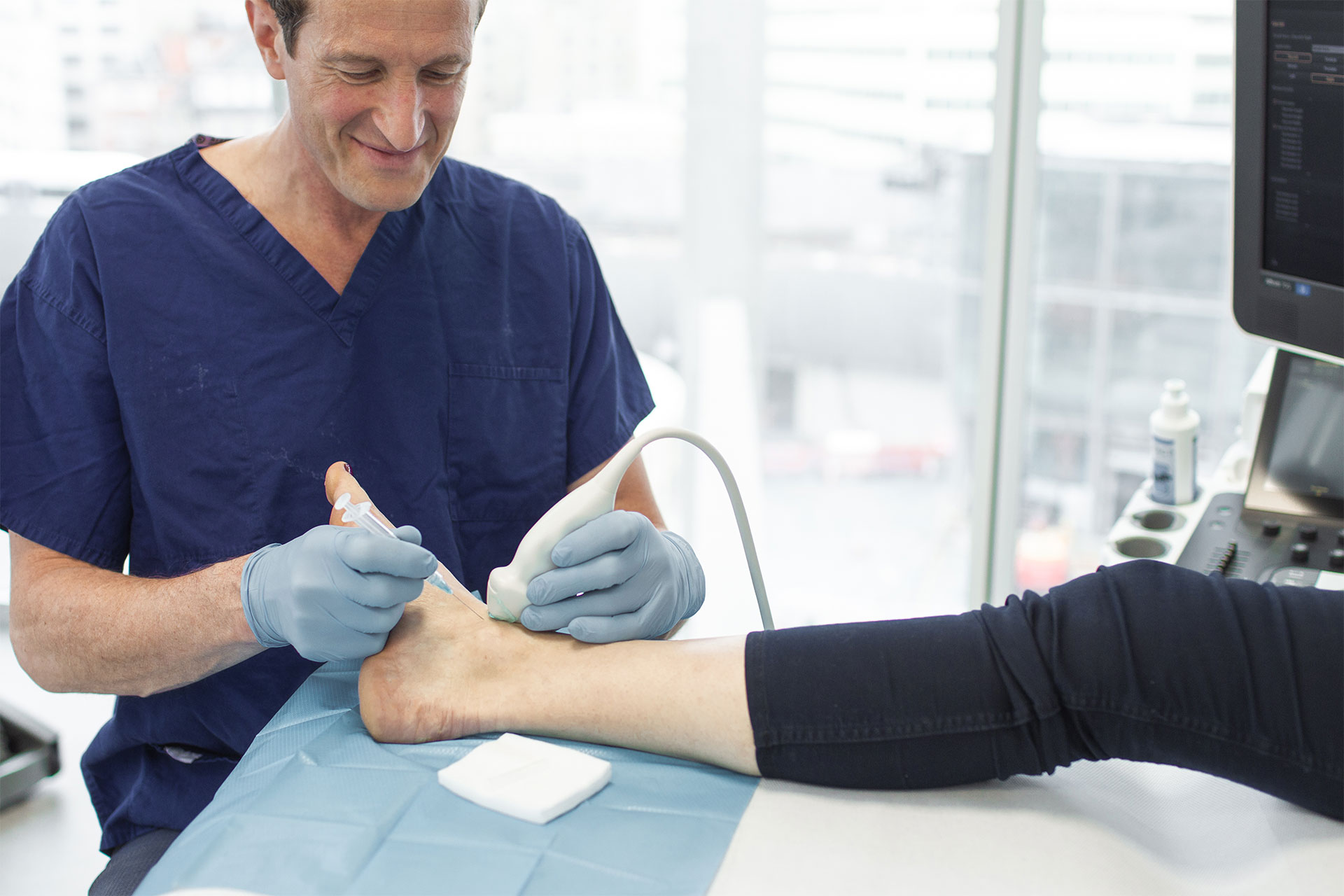
- Injections: Corticosteroid or platelet-rich plasma (PRP) injections to alleviate inflammation and pain. These would only be considered in teenagers and adults. It does not fix the underlying cause of symptoms but can help to alleviate pain so the patient can engage in Physiotherapy, or as an option for those waiting to have surgery.
Surgical Options
Surgery is typically indicated for patients with persistent pain, functional limitations, or significant joint damage.
- Periacetabular Osteotomy (PAO): Involves reshaping the acetabulum to better cover the femoral head. Ideal for younger patients with minimal arthritis. Outcomes: High success rates with improved pain relief and joint function.
- Femoral Osteotomy: Alters the alignment of the femur to improve joint stability. Often combined with PAO.
- Hip Arthroscopy: Minimally invasive procedure to address labral tears or remove damaged cartilage.
- Total Hip Replacement (THR): Recommended for patients with advanced arthritis. Outcomes: High success rate with substantial pain relief and restored function.
Questions and Answers
Is hip dysplasia only a condition found in infants?
No, hip dysplasia can also present or become symptomatic in adolescence or adulthood due to joint wear and tear.
What happens if hip dysplasia is left untreated?
Untreated hip dysplasia can lead to chronic pain, joint instability, and early arthritis, often necessitating joint replacement surgery.
How successful is surgery for hip dysplasia?
Surgical outcomes, particularly for procedures like PAO and THR, are generally very positive, with significant improvements in pain and function.
Can adults benefit from non-surgical treatments?
Yes, physical therapy, pain management, and injections may provide relief for adults with mild dysplasia or those who are not candidates for surgery.
How long does recovery take after hip surgery?
Recovery depends on the type of surgery. PAO typically requires 3-6 months for full recovery, while THR may allow a return to normal activities within 6-12 weeks.
If you are suffering from hip pain, please get in touch and book an appointment with one of our expert hip specialists.