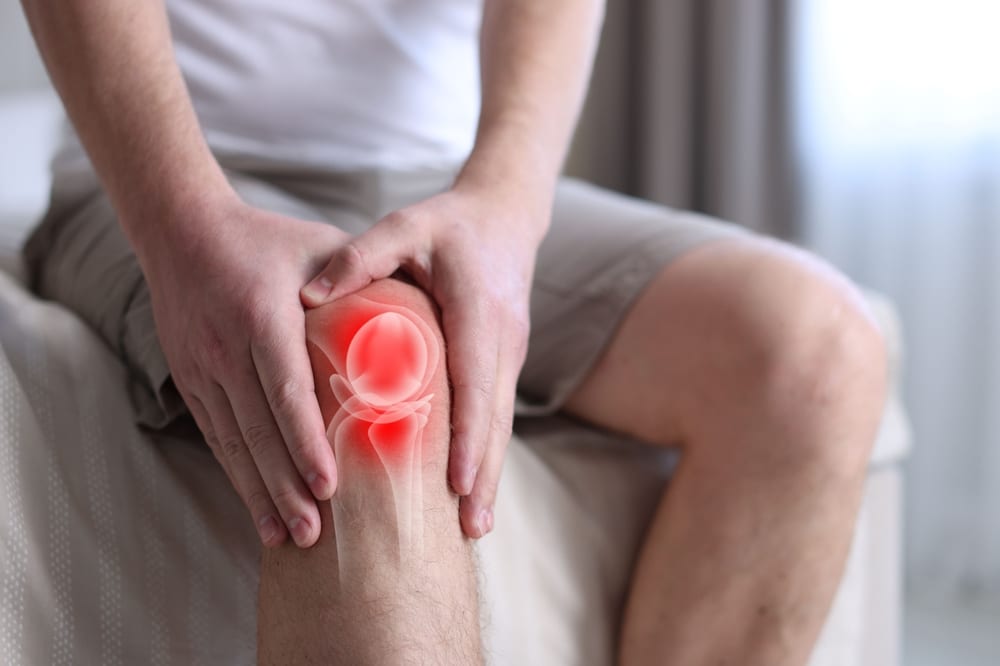
Most people recover extremely well after hip surgery. However, some patients continue to experience pain, stiffness, weakness, or difficulty returning to activities.
Persistent pain after hip surgery can understandably be worrying, but it does not necessarily mean something has gone wrong. There are many potential causes, and a thorough assessment is essential.
At London Bridge Orthopaedics, we specialise in assessing and managing ongoing pain following hip surgery, including previous arthroscopy and hip replacement procedures.
Potential Causes
Causes may include:
- Muscle weakness and deconditioning
- Tendon irritation
- Scar tissue
- Persistent impingement
- Labral pathology
- Loosening or wear of implants
- Infection
- Leg length issues
- Nerve irritation
- Referred pain from the back
Symptoms
Symptoms may include:
- Ongoing groin pain
- Buttock or thigh pain
- Stiffness
- Limping
- Difficulty walking
- Reduced confidence in movement
- Pain during exercise
Diagnosis
At London Bridge Orthopaedics, our one-stop service provides:
- Detailed specialist assessment
- On-site X-rays
- MRI and CT imaging
- Blood tests if required
- Access to physiotherapy assessment
This allows us to identify the source of symptoms and formulate an appropriate treatment plan.
Treatment Options
Non-Surgical Treatment
Treatment may include:
- Physiotherapy and rehabilitation
- Strength and conditioning programmes
- Pain management strategies
- Gait retraining
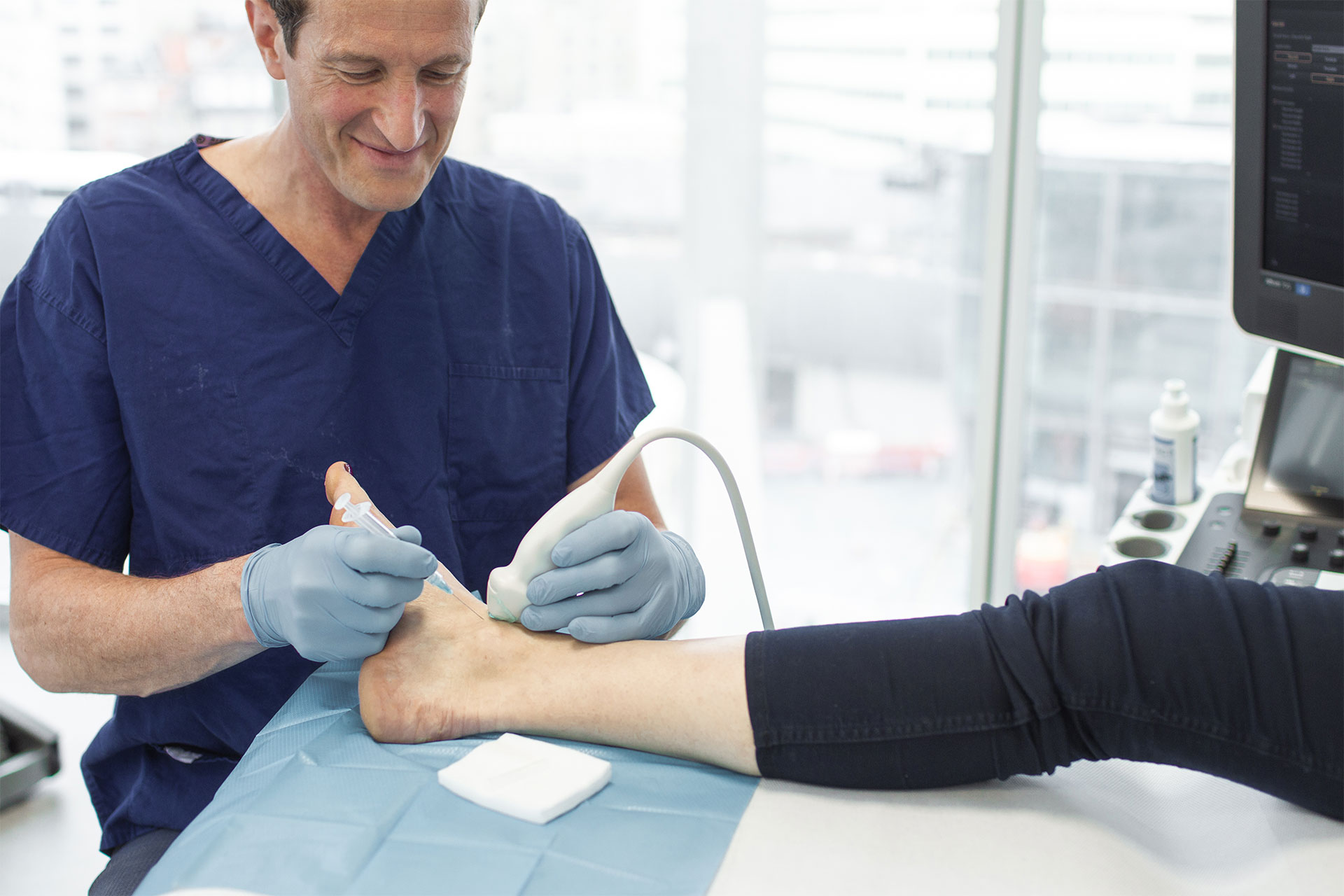
- Ultrasound-guided injections
Surgical Treatment
Occasionally, further surgery may be required, including:
- Revision hip arthroscopy
- Tendon repair procedures
- Revision hip replacement surgery
Outcomes
Many patients improve significantly once the cause of their symptoms has been identified and appropriately treated. Even complex cases often benefit from a multidisciplinary approach.
How London Bridge Orthopaedics Can Help
Our experienced hip surgeons and multidisciplinary team provide comprehensive assessment and management of persistent symptoms following hip surgery.
By bringing together specialist orthopaedic expertise, advanced diagnostics, physiotherapy, and rehabilitation services under one roof, we are able to provide truly personalised care and support patients through every stage of recovery.
Frequently Asked Questions
Is pain normal after hip surgery?
Some discomfort is expected initially, but persistent or worsening pain should be assessed.
Does ongoing pain mean the surgery has failed?
No. There are many possible causes, and most can be identified and treated.
Will I need another operation?
Not necessarily. Many patients improve with rehabilitation and non-surgical treatment.
How long should recovery take?
Recovery timelines vary depending on the procedure and individual factors.
When should I seek specialist advice?
If pain persists, worsens, or limits your recovery, specialist assessment is recommended to determine the underlying cause and optimise your outcome.