Hip and groin pain is a common problem in both recreational and elite athletes. These injuries can be frustrating, often affecting running, kicking, changing direction, and sporting performance.
The hip and groin region is complex, with many muscles, tendons, ligaments, and joints capable of generating pain. Symptoms can develop suddenly following an injury or gradually as a result of repetitive loading and overuse.
At London Bridge Orthopaedics, we provide specialist assessment and treatment for athletes of all levels, helping patients return safely to sport and activity.
Common Sports-Related Hip and Groin Conditions
Examples include:
- Adductor muscle strains
- Hip flexor injuries
- Femoroacetabular impingement (FAI)
- Labral tears
- Sports hernia (inguinal disruption)
- Gluteal tendinopathy
- Proximal hamstring injuries
- Osteitis pubis
Symptoms
Symptoms vary depending on the specific injury but commonly include:
- Groin pain during exercise
- Pain when kicking or changing direction
- Stiffness around the hip
- Reduced performance
- Clicking or catching sensations
- Weakness and reduced power
Diagnosis
Successful treatment starts with an accurate diagnosis.
At LBO, patients benefit from:
- Specialist orthopaedic assessment
- On-site X-rays
- Ultrasound assessment
- MRI scans
- Access to expert physiotherapy
This integrated approach allows rapid diagnosis and early treatment planning.
Treatment Options
Non-Surgical Treatment
Most sports-related hip and groin injuries can be managed without surgery.
Treatment may include:
- Relative rest and activity modification
- Physiotherapy
- Strength and conditioning programmes
- Load management
- Biomechanical assessment
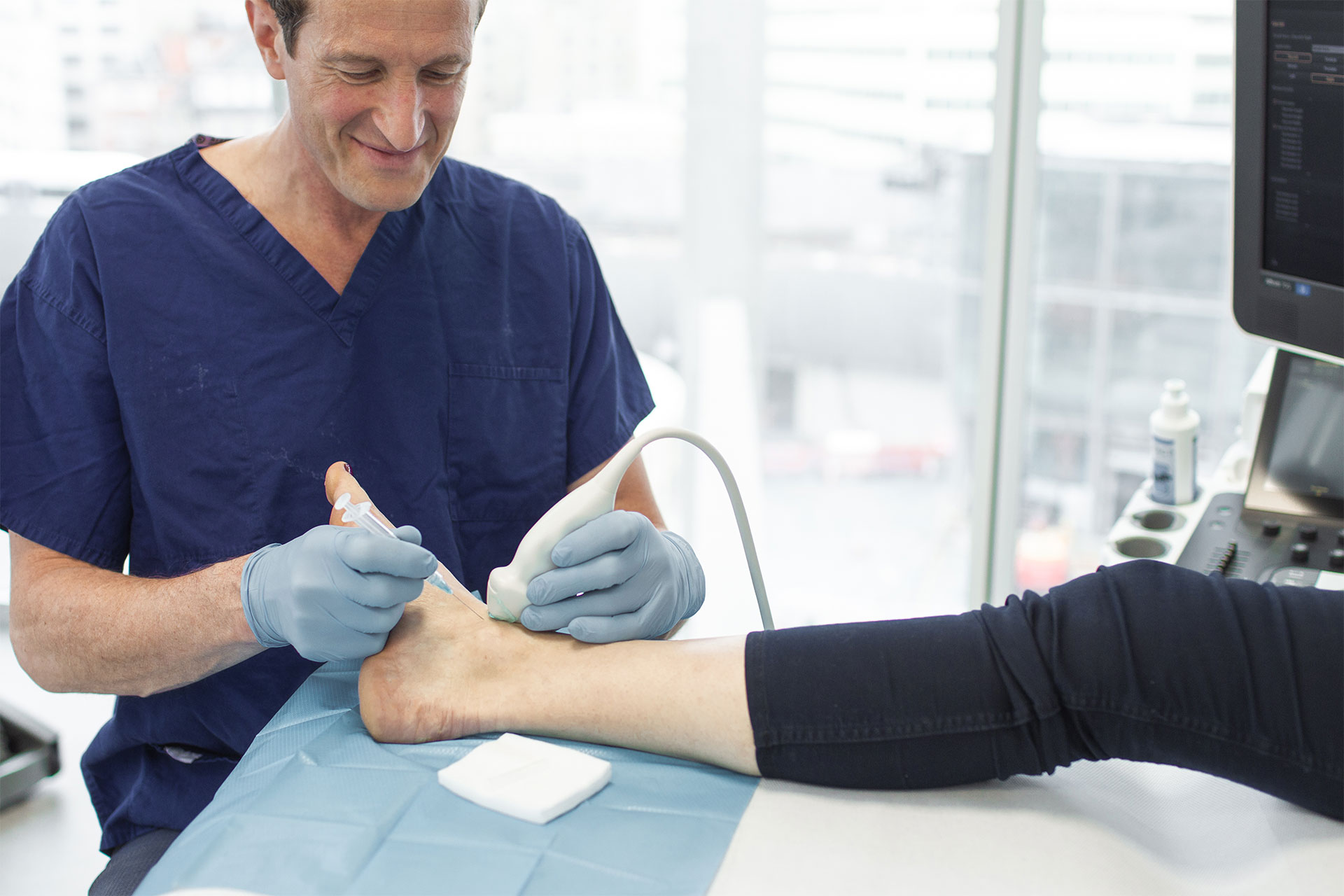
- Ultrasound-guided injections where appropriate
Surgical Treatment
Surgery may be considered when symptoms persist despite appropriate rehabilitation.
Procedures may include:
- Hip arthroscopy for FAI and labral tears
- Tendon repair procedures
- Sports hernia surgery
- Hamstring repair surgery
Outcomes
With appropriate diagnosis and rehabilitation, most athletes make excellent recoveries and return to their previous level of activity.
How London Bridge Orthopaedics Can Help
Our experienced orthopaedic surgeons work alongside physiotherapists, radiologists, and sports medicine specialists to provide comprehensive care from diagnosis through to rehabilitation.
Frequently Asked Questions
Do I need a scan?
Not always, but imaging can be extremely helpful in identifying the precise cause of symptoms.
How long do these injuries take to recover?
Recovery varies from several weeks to several months depending on the diagnosis.
Can I continue exercising?
Often yes, although activities may need to be modified.
Will I need surgery?
Most patients improve with conservative treatment and rehabilitation.
When can I return to sport?
This depends on the injury and your recovery but is usually guided by symptoms, strength, and function.