Every year, the months between January and March, we see a huge spike in motivation. Many of us decide it’s finally time to kick start fitness routines, download a running app and begin training for that first 10K or charity run.
Running is an incredibly accessible way to improve cardiovascular health, boost mental wellbeing and build strength, but sudden increases in mileage or intensity can lead to overuse injuries.
Whether you are new to running or returning after some time off, one thing is clear: too much, too soon is the most common cause of preventable running injuries.
The good news? With the right preparation, gradual training progression and a focus on injury prevention strategies, running can become an enjoyable and sustainable part of your weekly routine.
Why Do Sudden Training Increases Cause Injury?
The body thrives on adaptability; bones, tendons, muscles and joints become stronger when exposed to consistent training. However, they also need time to recover and remodel between sessions.
When runners rapidly increase weekly volume, frequency or speed, structures such as tendons and bone do not have time to adapt. This creates mechanical stress and microscopic damage which, instead of healing, can accumulate and progress into injury.
The most common overuse running injuries we see at London Bridge Orthopaedics include:
1. Tendinopathy
Tendinopathy occurs when a tendon is exposed to repetitive overload. Common sites in runners include the Achilles tendon. patellar tendon and gluteal tendinopathy.
Symptoms include:
- Localised pain and tenderness
- Morning stiffness
- Pain during running or after rest
Left untreated, tendinopathy can become persistent and limit training progression.
2. Patellofemoral Pain Syndrome (Runner’s Knee)
Often felt as discomfort around or behind the kneecap, patellofemoral pain can be triggered by poor hip and core strength, loading errors, or suboptimal running mechanics.
Typical signs:
- Pain during squatting, climbing stairs or running downhill
- Clicking or grinding around the kneecap
3. Stress Fractures
Stress fractures occur when bones are repeatedly overloaded faster than they can remodel. Beginners, women with low energy intake, and those rapidly increasing mileage are most at risk.
Common areas include:
- Tibia (shin bone)
- Metatarsals (foot bones)
- Femoral neck (hip)
Key Stages of the Bone Stress Continuum
- Bone Stress Reaction (Early Stage): Known as a “hot spot” on imaging, this is microdamage without a visible cortical crack. It presents as pain and swelling, often undetected on X-rays, but visible on MRI as marrow edema.
- Stress Fracture (Progressive Stage): The continued load weakens the cortex, leading to bone cracking. This can progress from a partial to a complete fracture if training continues.
- Healing and Management: Treatment requires reducing the load (rest, non-impact activity, or immobilisation) to allow bone turnover to repair the microdamage.
Symptoms often begin as a deep ache that worsens with weight-bearing activity. Patients can usually point to their pain over a very focal area.
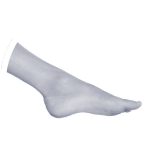
4. Plantar Fasciitis
The plantar fascia is a thick band of tissue supporting the arch of the foot. Sudden increases in running load, worn-out footwear, flat feet or high arches can irritate the structure.
Symptoms:
- Heel pain with first steps in the morning
- Pain during running or prolonged standing
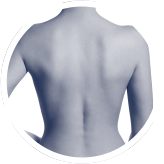
5. Lower Back Pain in Runners
Lower back pain is another common issue, especially for new or returning runners. While running itself isn’t harmful to the spine, certain movement patterns, muscle imbalances and training habits can contribute to discomfort.
Common contributing factors include:
- Weak core or glute activation
- Reduced pelvic stability
- Tight hip flexors or hamstrings
- Poor running posture or cadence
- A sudden increase in running load
Runners experiencing lower back pain may notice stiffness during the first few kilometres, discomfort when running uphill, or aching after longer sessions.
The spine plays a key role in stabilising the body with every step. When hip or trunk muscles are not strong enough to absorb repetitive impact, strain can transfer to the lower back.
How to manage and prevent back pain in runners:
- Incorporate core-strengthening exercises such as side planks, dead bugs and bird-dogs.
- Improve hip and trunk stability with glute bridges, single-leg deadlifts and lunges.
- Avoid slouching or overstriding – a slightly higher cadence (165–180 steps/min) often reduces spinal load.
- Consider a gait assessment to analyse posture, symmetry and running mechanics.
Most back pain responds well to physiotherapy, mobility work and strengthening, but persistent pain may require further assessment, imaging or specialist sports medicine review.
How to Prevent Overuse Injuries When Training for a 10K
Injury prevention is far more effective, and far less frustrating, than rehabilitation. Incorporating the following strategies reduces risk while improving performance and efficiency.
Follow a Graduated Training Plan
Avoid doubling weekly mileage or speed. Ideally, follow a structured programme that increases load by no more than 10% per week.
Include:
- 3-4 running sessions per week – Easy runs, intervals, and longer distance.
- Include 2 strength training sessions per week
- 1- 2 rest days – either total rest, or gentle yoga or pilates session.
- Deload weeks every 3-4 weeks
Strength Training Matters
Strength training is one of the best ways to reduce running-related injuries. It improves tendon resilience, muscle capacity, bone density and neuromuscular control.
Key areas to strengthen:
- Glutes (for hip stability)
- Quadriceps and hamstrings
- Calf muscles
- Foot intrinsic muscles
Even one to two sessions per week can significantly reduce injury risk.
Footwear and Gait Assessment
Running shoes are not one-size-fits-all. The wrong footwear can alter running biomechanics and place excess strain on joints and soft tissues.
A professional gait analysis can identify:
- Overstriding
- Excessive pronation or supination
- Altered cadence
- Asymmetries in limb loading
At London Bridge Orthopaedics, we work alongside specialist physiotherapists, podiatrists and sports clinicians who can give you advice on footwear choices and running biomechanics.
Cross-Training and Recovery Techniques
Cycling, swimming or rowing can help maintain cardiovascular fitness while giving tendons and joints time to recover.
Other recovery-focused tools include:
- Foam rolling
- Stretching
- Sleep optimisation
- Appropriate nutrition and hydration
When Should You Consider Medical or Surgical Intervention?
Most running injuries respond well to early physiotherapy, load modification and strength rehabilitation.
However, medical intervention may be needed when:
- Symptoms persist beyond several weeks
- You have pin point pain that you suspect might be a stress fracture
- Symptoms significantly limit movement
- Your performance is being affected despite following a sensible programme
At London Bridge Orthopaedics, treatment options may include:
- Diagnostic ultrasound or MRI to assess joint and soft tissue pathology
- Injection therapies such as steroid injections if pain is limiting your ability to engage in rehab.
- Shockwave therapy for conditions such as chronic plantar fasciitis or Achilles pain
- Surgical intervention for more serious conditions such as femoral stress fractures or structural joint pathology
If pain stops you running or disrupts daily function, it’s time to seek specialist assessment.
Quick Q&A
Is it normal to feel pain when starting running?
Some muscle soreness is normal, but sharp or persistent pain could indicate injury.
How long does it take to safely train for a 10K?
Most beginners need 8–12 weeks to progress safely.
Should I stop running if I develop pain?
Reduce load, switch to low-impact activity and seek assessment if symptoms don’t improve.
Is running bad for the spine?
No, running is not harmful to the spine and can actually improve bone density and strength. Back pain in runners usually relates to training errors, reduced core control or poor mechanics rather than spinal damage.