020 3576 5296
Mon-Fri: 9am-5pm
(New enquiries only)
HCA UK Outpatients & Diagnostics The Shard, 32 St Thomas Street, London SE1 9BS
Click to call for new patient enquiry If you are an existing patient please call the consultant directly. You can find their direct number on their consultants page.
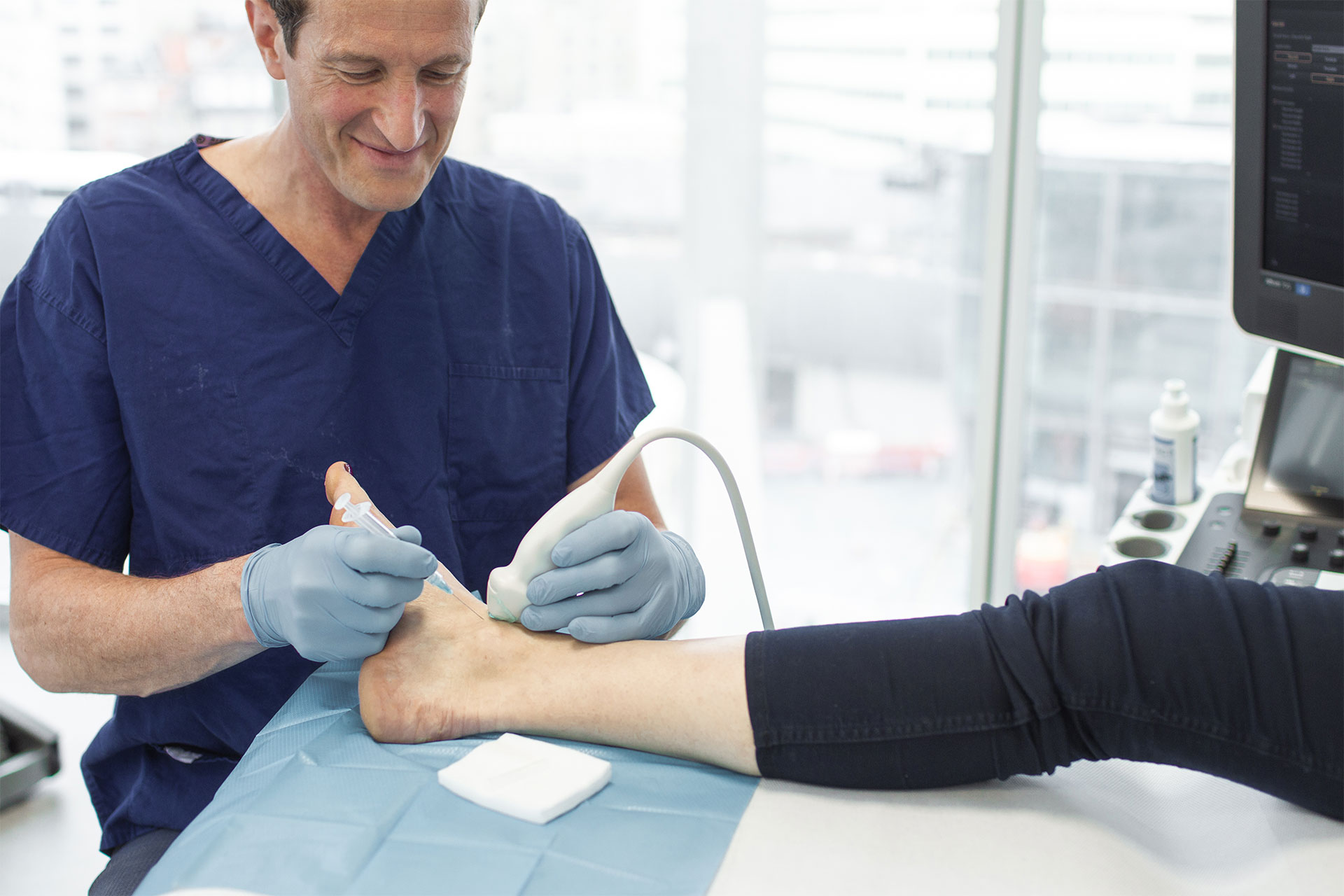
Where possible, London Bridge Orthopaedics uses minimally invasive surgery and the latest medical techniques to optimise clinical success and patient comfort. By using small incisions and cameras (eg, keyhole surgery), as well as advanced surgical skills, these procedures can produce various benefits for orthopaedic patients, including:
At London Bridge Orthopaedics, our leading surgeons and state-of-the-art technology allows us to offer a wide range of minimally invasive treatments for musculo-skeletal problems, such as:
We are a group of established consultants who care about our patients. We cover all the subspecialty areas of orthopaedics:
Meet the team at London Bridge Orthopaedics.
Consultants at London Bridge Orthopaedics provide service for patients with our without private medical insurance.

Marathon Season – When Does a Runner Need Imaging and Orthopaedic Input?
Training loads rise as marathon season approaches — and with them, the risk of injuries that won’t resolve with rest alone. From femoral neck stress fractures to meniscal root tears, knowing when to refer for imaging and specialist assessment can protect patients from long-term harm.
Read more
Shoulder Pain That Wasn’t Rotator Cuff Tendinopathy – A Mini Case Study
Not all shoulder pain is rotator cuff tendinopathy. This case study examines a 42-year-old tennis player whose shoulder pain mimicked classic rotator cuff symptoms but was actually caused by a ganglion cyst compressing the suprascapular nerve. The patient achieved significant improvement within four weeks following ultrasound-guided aspiration and targeted physiotherapy. Learn why persistent shoulder pain unresponsive to standard treatment warrants specialist assessment and how early diagnosis prevents unnecessary interventions.
Read more