Heel spurs are small bony growths that develop on the underside of the heel bone (calcaneus). They form gradually over time as a result of repetitive strain where the plantar fascia (a thick band of tissue on the sole of the foot) attaches to the heel.
Heel spurs are often associated with plantar fasciitis, a common cause of heel pain.
It is important to note that not all heel spurs cause symptoms. Many people have a heel spur visible on X-ray but no pain at all.
When symptoms are present, the discomfort is usually related to irritation of the surrounding soft tissues rather than the spur itself.
Key Learning Points
- Heel spurs are common bony growths on the heel, often linked to plantar fasciitis
- Not all heel spurs cause pain; symptoms are usually due to soft tissue irritation
- Conservative treatment is effective in most cases
- Footwear, stretching and activity modification are key components of treatment
- Surgery is rarely needed but can be effective in persistent cases
- Addressing underlying biomechanical factors improves long-term outcomes
Who Gets Heel Spurs?
Heel spurs can affect a wide range of people but are more commonly seen in:
- Adults aged 30 – 60
- Runners and active individuals
- People who spend long periods standing or walking
- Individuals who are overweight
- Those with underlying foot biomechanics issues
They often develop gradually and may be linked to long-term strain on the foot.
Predisposing Factors
Several factors can increase the likelihood of developing heel spurs.
These include:
- Plantar fasciitis or chronic heel pain
- Repetitive stress from walking, running or standing
- Flat feet or high arches
- Tight calf muscles or Achilles tendon
- Poor footwear, especially with limited cushioning or support
- Excess body weight, increasing load through the heel
These factors place increased tension on the plantar fascia, which can lead to bony changes over time.
Symptoms of Heel Spurs
Many heel spurs do not cause symptoms. When symptoms do occur, they are usually linked to irritation of the surrounding tissues.
Common symptoms include:
- Pain under the heel, particularly with the first steps in the morning
- Pain after periods of rest
- Discomfort during prolonged standing or walking
- Tenderness at the bottom of the heel
- A sharp or aching sensation in the heel
Pain often improves with movement but may return after activity.
Aggravating Factors
Symptoms are often made worse by activities that increase load through the heel.
Common aggravating factors include:
- Prolonged standing
- Walking or running, especially on hard surfaces
- Wearing unsupportive shoes
- Sudden increases in activity levels
- Tight calf muscles limiting ankle movement
Without appropriate management, symptoms can persist or worsen over time.
Assessment
A thorough assessment helps determine whether a heel spur is contributing to your symptoms.
During your consultation at London Bridge Orthopaedics, your clinician will:
- Discuss your symptoms and activity levels
- Examine the heel for tenderness and swelling
- Assess calf muscle flexibility and ankle movement
- Evaluate foot posture and biomechanics
- Review footwear and activity patterns
This helps identify contributing factors and guide treatment.
Diagnosis
Heel spurs are often identified on X-rays, where the bony projection can be clearly seen.
However, imaging findings do not always correlate with symptoms. Many people have heel spurs without pain.
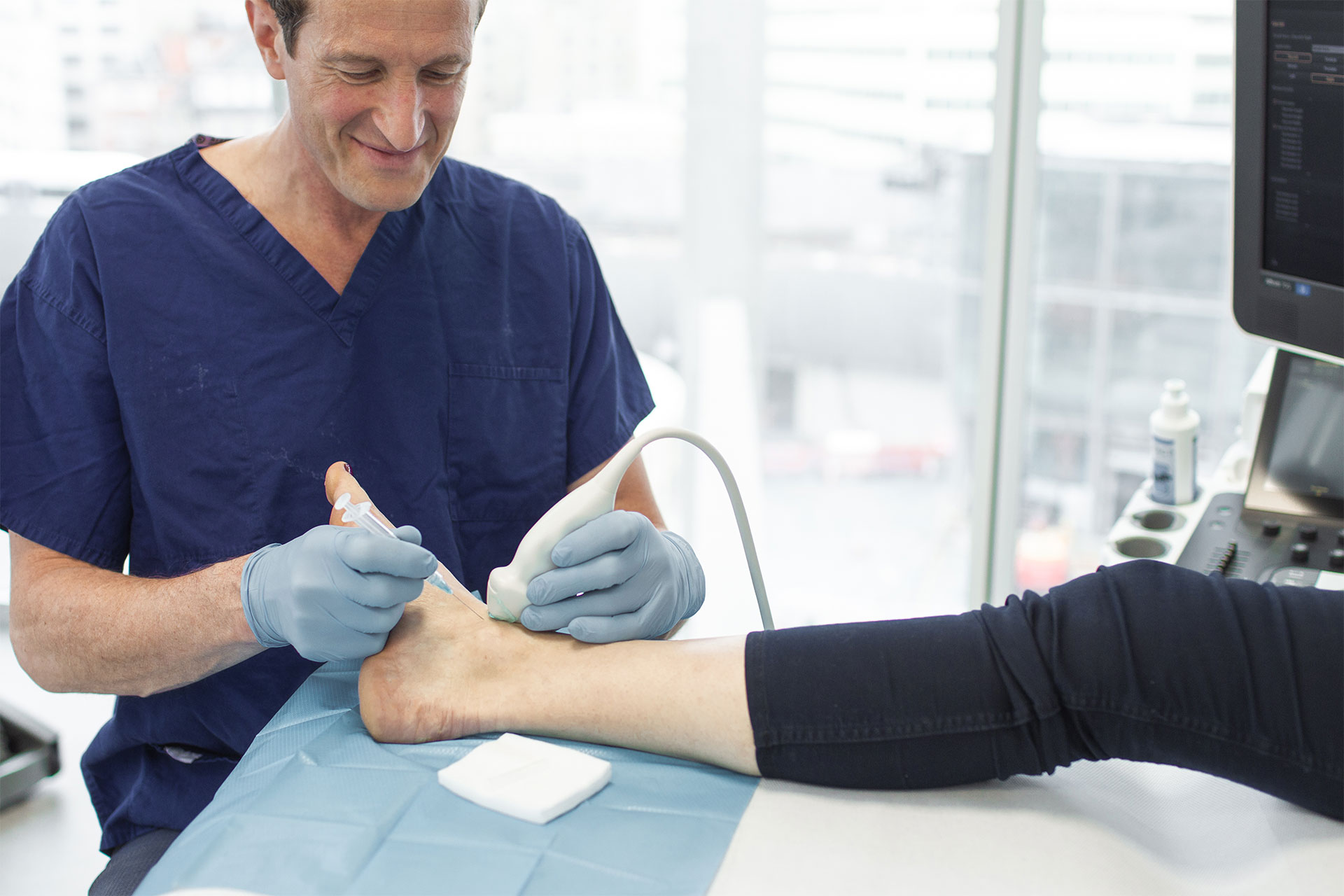
Additional imaging, such as ultrasound or MRI, may be used if there is uncertainty about the diagnosis or to assess associated conditions like plantar fasciitis.
Conditions With Similar Symptoms (Differential Diagnosis)
Several other conditions can cause heel pain and may be mistaken for heel spurs:
- Plantar fasciitis
- Achilles tendon problems
- Heel fat pad syndrome
- Stress fractures of the heel (calcaneus)
- Nerve irritation (such as tarsal tunnel syndrome)
A specialist assessment helps ensure an accurate diagnosis.
Non-Surgical (Conservative) Treatment
Most people with heel pain associated with heel spurs improve with non-surgical treatment.
The focus is on reducing strain on the plantar fascia and improving foot function.
Footwear advice
Supportive shoes with good cushioning and arch support can significantly reduce heel pain.
Orthotics
Insoles can help redistribute pressure and support the arch, reducing strain on the heel.
Stretching exercises
Stretching the calf muscles and plantar fascia is often very effective in relieving symptoms.
Activity modification
Reducing high-impact activities and allowing time for recovery can help settle symptoms.
Shockwave therapy
In some cases, shockwave therapy may be used to stimulate healing in chronic heel pain.
Most patients improve over time with consistent conservative management.
When Is Surgery Considered?
Surgery is rarely required for heel spurs.
However, it may be considered when:
- Symptoms persist despite prolonged conservative treatment
- Pain significantly affects daily activities
- Other treatments have not provided sufficient relief
Surgical treatment focuses on addressing the underlying cause of pain rather than simply removing the spur.
Surgical Treatment Options
Surgical intervention for heel pain associated with heel spurs is generally reserved for carefully selected cases.
Plantar Fascia Release
The most common procedure involves partially releasing the plantar fascia to reduce tension on the heel.
This can relieve pain and improve function.
- Reduces strain on the heel
- Addresses the root cause of symptoms
- Often performed as a minimally invasive procedure
Heel Spur Removal
In some cases, the heel spur may be removed as part of the procedure. However, this is not always necessary, as the pain is often related to soft tissue irritation rather than the spur itself.
Combined Procedures
Surgery may also address contributing factors such as tight calf muscles or foot alignment issues to improve long-term outcomes.
Recovery After Surgery
Recovery following surgery varies but generally includes:
- A period of reduced weight bearing
- Gradual return to normal footwear
- Physiotherapy to restore strength and flexibility
- Progressive return to activity
Most patients return to normal daily activities over several weeks to months.
Outcomes
The majority of patients with heel pain improve without surgery.
When surgery is required, outcomes are generally good, particularly when treatment is tailored to the individual and underlying causes are addressed.
Patients can expect:
- Reduction in heel pain
- Improved walking comfort
- Return to normal daily activities
- Better long-term foot function
Frequently Asked Questions
Are heel spurs the cause of heel pain?
Not always. Many people have heel spurs without symptoms. Pain is often caused by irritation of the plantar fascia rather than the spur itself.
Do heel spurs go away on their own?
Heel spurs do not usually disappear, but symptoms can improve significantly with appropriate treatment.
What is the best treatment for heel spurs?
Most cases improve with conservative measures such as supportive footwear, stretching exercises and activity modification.
How long does it take to recover from heel pain?
Recovery time varies, but many people improve over several weeks to months with consistent treatment.
When is surgery needed for heel spurs?
Surgery is considered only when symptoms persist despite prolonged conservative treatment and significantly affect quality of life.