Overview
Articular cartilage damage in the knee is a common injury that can lead to pain, swelling, and impaired movement. The articular cartilage is a smooth, white tissue that covers the ends of bones where they come together to form joints. It enables bones to glide over each other with minimal friction, allowing for smooth and pain-free motion.
Anatomy of the Knee
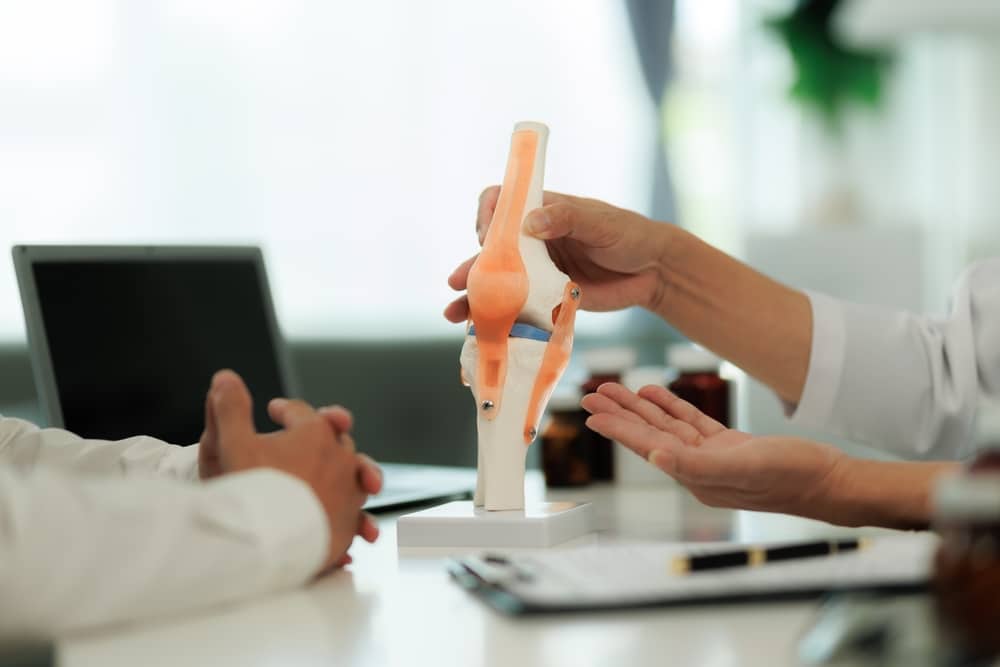
The knee joint is made up of four main components:
- Bones: Femur (thigh bone), Tibia (shin bone), and Patella (kneecap).
- Cartilage: Articular cartilage covers the ends of the femur, tibia, and underside of the patella.
- Ligaments: Connect bones and provide stability.
- Menisci: Two C-shaped pieces of cartilage that act as shock absorbers between the femur and tibia.
Causes of Articular Cartilage Damage
There are a number of ways that the articular cartilage can become damaged:
- Trauma: Sudden impact or twisting injuries, such as sports injuries or accidents.
- Degeneration: Gradual wear and tear due to aging or overuse.
- Osteochondritis Dissecans: A condition where a fragment of bone and cartilage separates from the end of the bone due to a lack of blood flow.
- Inflammatory Diseases: Conditions like rheumatoid arthritis that cause inflammation and damage to the cartilage.
Symptoms of Articular Cartilage Damage
The most common symptoms of knee articular cartilage damage include:
- Pain during movement or weight-bearing
- Swelling and tenderness
- A catching or locking sensation in the knee
- Decreased range of motion
- A feeling of instability in the knee
Diagnosis of Articular Cartilage Damage
Diagnosis typically involves:
- Clinical Examination: Assessment of symptoms, physical examination, and medical history.
- Imaging Studies: X-rays, MRI, or CT scans to visualize the extent of cartilage damage.
- Arthroscopy: A minimally invasive procedure where a small camera is inserted into the knee joint to assess the cartilage directly.
Treatment Options For Articular Cartilage Damage
Non-Surgical Treatments
- Rest and Activity Modification: Avoiding activities that exacerbate symptoms.
- Physiotherapy: Guided exercises to strengthen the muscles around the knee and improve joint stability.
- Medications: Anti-inflammatory drugs to reduce pain and swelling.
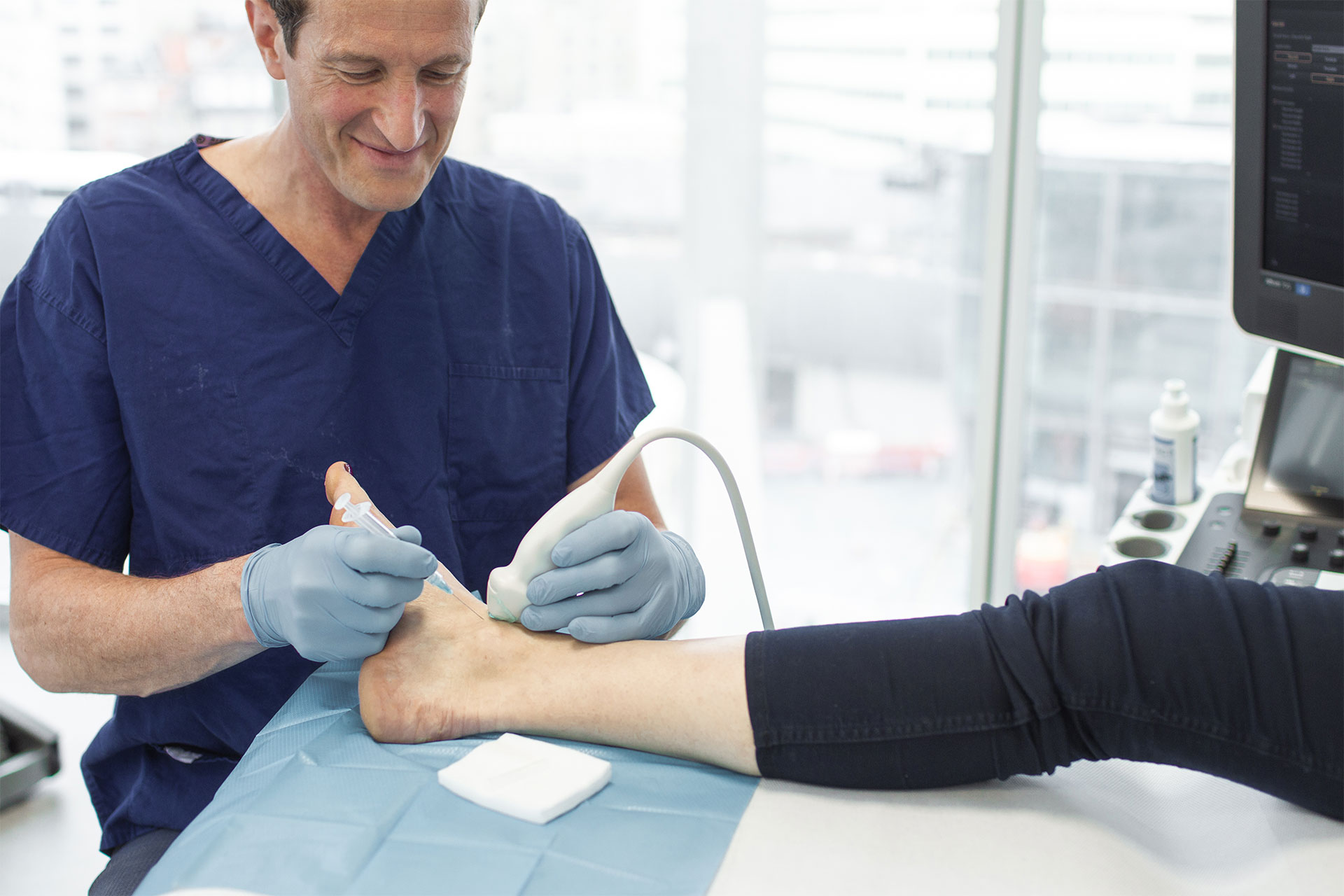
- Injections: Corticosteroid or hyaluronic acid injections to relieve pain and improve joint function.
Surgical Treatments
Microfracture
- Procedure: Tiny holes are made in the bone beneath the damaged cartilage to stimulate the growth of new cartilage.
- Post-op Management: Crutches for 6-8 weeks, followed by physical therapy.
- Outcomes: Effective for small areas of damage, though the new cartilage may not be as durable as the original.
Autologous Chondrocyte Implantation (ACI)
- Procedure: Healthy cartilage cells are harvested, cultured in a lab, and then re-implanted into the damaged area.
- Post-op Management: Non-weight bearing for several weeks, followed by a gradual return to activities with physical therapy.
- Outcomes: Good results for larger defects, with better cartilage quality compared to microfracture.
Osteochondral Autograft Transfer System (OATS)
- Procedure: Healthy cartilage and bone are taken from a non-weight-bearing area and transplanted to the damaged site.
- Post-op Management: Crutches for 6-8 weeks, followed by physical therapy.
- Outcomes: Effective for small to medium-sized defects, with good integration of the graft.
Osteochondral Allograft Transplantation
- Procedure: Transplantation of cartilage and bone from a donor.
- Post-op Management: Crutches for several weeks, followed by physical therapy.
- Outcomes: Suitable for large defects or when other treatments have failed, with good long-term results.
Post-Op Management
Post-operative care is crucial for a successful recovery and includes:
- Pain Management: Medications to manage pain and inflammation.
- Physiotherapy: A tailored, physio-guided program to restore strength, flexibility, and range of motion.
- Gradual Return to Activity: Progressive weight-bearing and activity levels based on the type of surgery and individual recovery progress.
- Regular Follow-ups: Monitoring progress and addressing any complications promptly.
Outcomes
The success of treatment varies depending on the severity of the damage and the type of treatment. Surgical interventions can significantly improve pain and function, allowing patients to return to their normal activities. However, recovery can take several months, and adherence to post-op guidelines is essential for optimal outcomes.
Frequently Asked Questions (FAQs)
How long does it take to recover from knee articular cartilage surgery?
Recovery time varies, but it typically ranges from 6 months to a year, depending on the type of surgery and individual healing rates.
Are there any risks associated with knee cartilage surgery?
As with any surgery, there are risks, including infection, blood clots, and stiffness. Your surgeon will discuss these risks in detail before the procedure.
Can I return to sports after knee cartilage surgery?
Many patients can return to sports, but it depends on the extent of the damage and the type of surgery performed. A structured rehabilitation program is crucial for a safe return to sports.
Will I need a knee replacement if my cartilage damage is severe?
Not necessarily. Many patients with severe cartilage damage benefit from cartilage repair or restoration procedures, which can delay or prevent the need for a knee replacement.
How can I prevent further damage to my knee cartilage?
Maintaining a healthy weight, staying active, avoiding high-impact activities, and wearing appropriate footwear can help prevent further cartilage damage.
For more information or to schedule a consultation, please contact London Bridge Orthopaedics. We’re here to help you every step of the way on your journey to recovery.