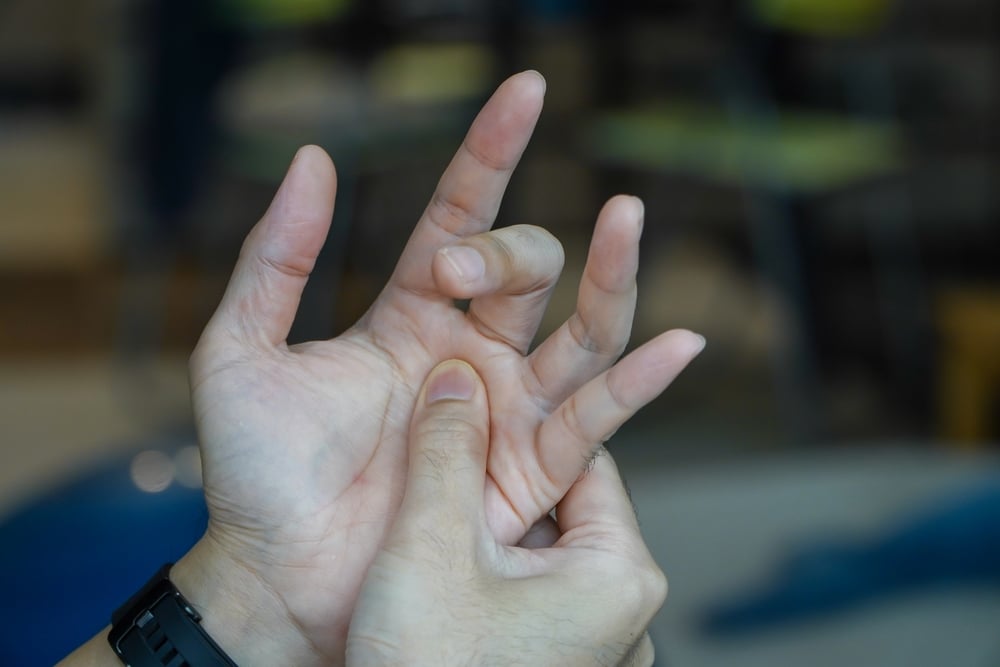
Trigger finger, or stenosing tenosynovitis, is a condition that affects the smooth gliding of the flexor tendons in the fingers or thumb. The tendons pass through narrow sheaths called pulleys, and when these become inflamed or thickened, the tendon can catch, click, or lock as the finger bends.
This condition can be frustrating and sometimes painful, particularly for people whose work, hobbies, or daily life relies on fine hand movements.
At London Bridge Orthopaedics, we offer specialist assessment and a full range of conservative and surgical treatments, tailored to symptom severity, functional impact, and patient lifestyle.
Who is affected?
Trigger finger is most common in adults aged 40 – 60, though it can affect younger individuals in certain circumstances. Risk factors include:
Diabetes mellitus – people with diabetes have a higher incidence of trigger finger.
Repetitive hand use – gripping tools, typing, or manual labour can contribute.
Previous hand injury – trauma can predispose to tendon sheath inflammation.
Women are affected slightly more often than men, and multiple fingers may be involved in some patients.
Symptoms
Trigger finger symptoms typically develop gradually over several weeks or months, and often include:
Clicking or catching – a finger that snaps or locks when bent.
Pain and tenderness – often felt at the base of the finger or thumb, near the A1 pulley (see diagram).
Stiffness – especially in the morning.
Locking – in severe cases, the finger may become stuck in a bent position, requiring the other hand, or someone else to straighten it.
Swelling or palpable nodule – a small lump may be felt at the base of the affected digit.
Symptoms can fluctuate. Early on, pain may be mild, while later, the locking or snapping can interfere with routine activities such as writing, cooking, or lifting objects.
Assessment and diagnosis
It is usually possible to diagnose this condition from a clinical assessment.
A hand specialist will examine:
Finger movement, both active and passive
The location of tenderness or palpable nodules
The presence of locking or catching
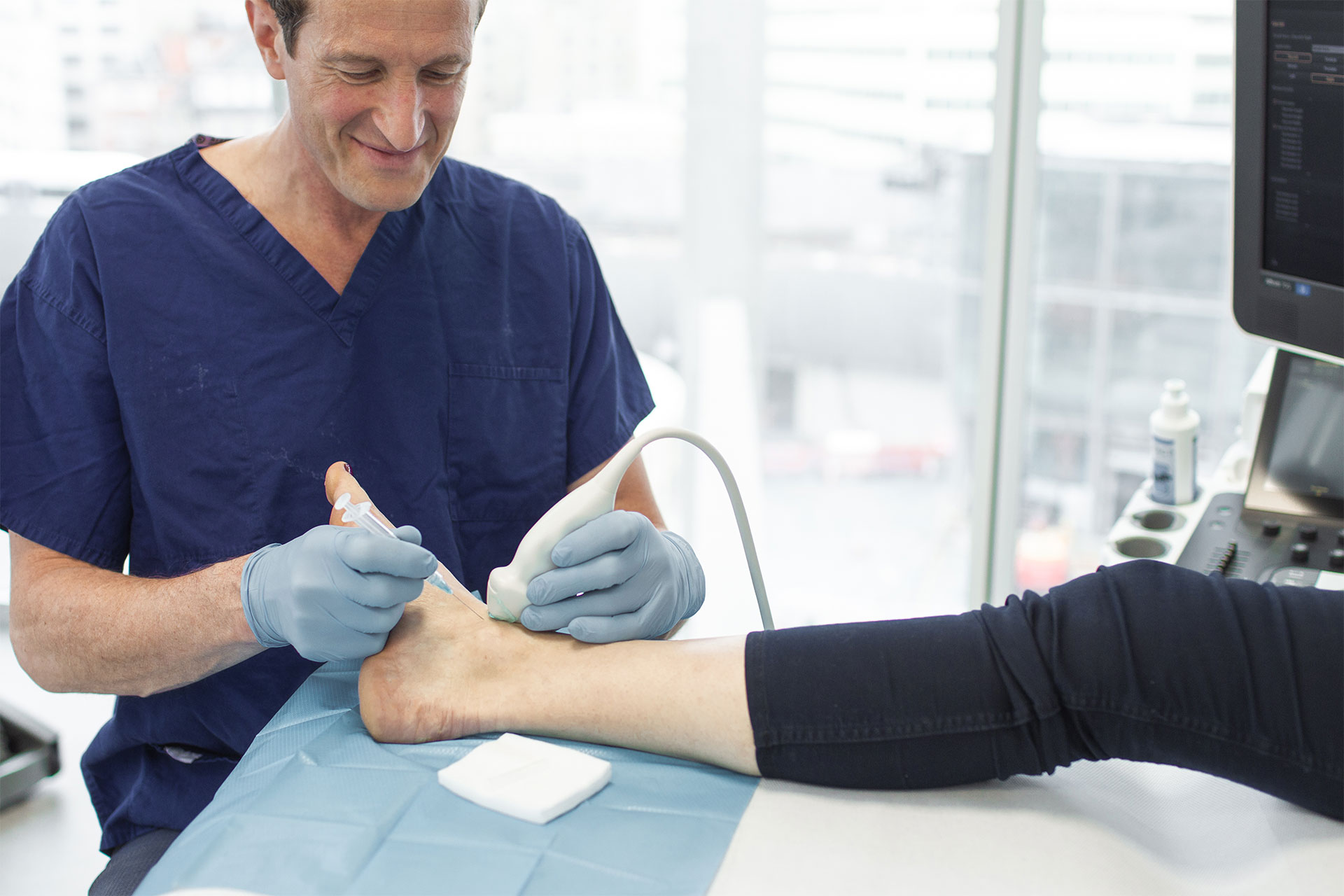
Imaging is rarely required but may be used to rule out other conditions in complex cases. Ultrasound can be useful to visualise any tendon swelling and pulley thickening.
Aggravating factors
Symptoms are often worsened by:
Repetitive gripping or forceful hand movements
Activities that require sustained finger flexion
Inflammatory conditions such as diabetes or RA
Recognising these factors helps guide both conservative strategies and post-treatment rehabilitation.
Conservative management
Most cases of trigger finger are initially treated non-surgically, especially if symptoms are mild or intermittent.
Common treatment approaches include:
Activity modification – avoiding repetitive gripping or adjusting ergonomics at work.
Splinting – immobilising the affected finger at night to reduce tendon irritation.
Non-steroidal anti-inflammatory medication (NSAIDs) – may reduce pain and swelling.
Corticosteroid injections – targeted injection around the tendon sheath is highly effective, with reported symptom resolution in 60–90% of cases. Multiple injections may be required, but repeated courses carry a small risk of tendon weakening.
Conservative management is often successful in early or mild cases. However, patients with persistent or severe locking, recurrent symptoms, or functional limitation may require surgical intervention.
Surgical treatment
Trigger finger release surgery is recommended when conservative treatments fail, symptoms are severe, or locking significantly interferes with daily life. Surgery is considered a definitive treatment, with excellent long-term outcomes.
What the procedure involves
Day-case procedure – performed under local or regional anaesthetic, allowing most patients to return home the same day.
Small incision – a tiny cut is made at the base of the affected finger or thumb.
Division of the A1 pulley – the tight portion of the pulley is carefully released to allow the tendon to glide freely.
Tissue preservation – surrounding nerves, tendons, and blood vessels are protected.
The procedure typically takes less than 20 minutes, and many patients notice immediate improvement in tendon movement.
Post-operative recovery
Early mobilisation – patients are encouraged to move the finger immediately after surgery.
Stitches removal – usually 10–14 days post-op.
Daily activities – light use can resume within a few days, while more demanding tasks may take 2–3 weeks.
Mild tenderness or swelling – may persist for several weeks, but formal physiotherapy is rarely needed.
Outcomes and prognosis
Good success rates for many patients – reduced pain and improved movement and function
Minimal recurrence when the procedure is performed correctly
Rapid restoration of finger function
High patient satisfaction due to relief from locking and pain
Long-term prognosis is excellent.
Most patients regain full movement and can resume occupational, sporting, and daily activities without limitations.
When to seek specialist advice
You should consider a consultation if you experience:
Persistent pain at the base of the finger or thumb
Recurrent locking or snapping
Morning stiffness lasting more than 30 – 60 minutes
Difficulty performing daily tasks such as writing, typing, or gripping
Early assessment by a hand specialist allows timely intervention and prevents progression to severe locking or secondary stiffness.
FAQs – Trigger Finger
Can trigger finger get better without surgery? Yes, especially in mild cases, but symptoms may persist or recur. Corticosteroid injections are often very effective.
When is surgery recommended? Surgery is considered if symptoms persist despite conservative management, or if the finger is frequently locking and impacting daily activities.
Is trigger finger surgery painful? The procedure is performed under local or regional anaesthetic. Post-operative discomfort is usually mild and managed with simple pain relief.
How long does recovery take? Most patients return to normal hand use within a few days; full recovery is usually achieved in 2–3 weeks.
Can trigger finger come back after surgery? Recurrence is rare, with studies reporting success rates above 95%.
Will surgery affect finger strength? Strength and function typically improve, especially if the finger was previously painful or locked.
Starting running this New Year? Learn how to prevent tendon injuries, plantar fasciitis, stress fractures and knee pain with expert guidance from London Bridge Orthopaedics.
Set yourself up for success with a hip, knee or ankle replacement. Learn how prehabilitation – strength training, nutrition, mobility work, improves outcomes and why London Bridge Orthopaedics is your specialist choice.